Mazarin Castle
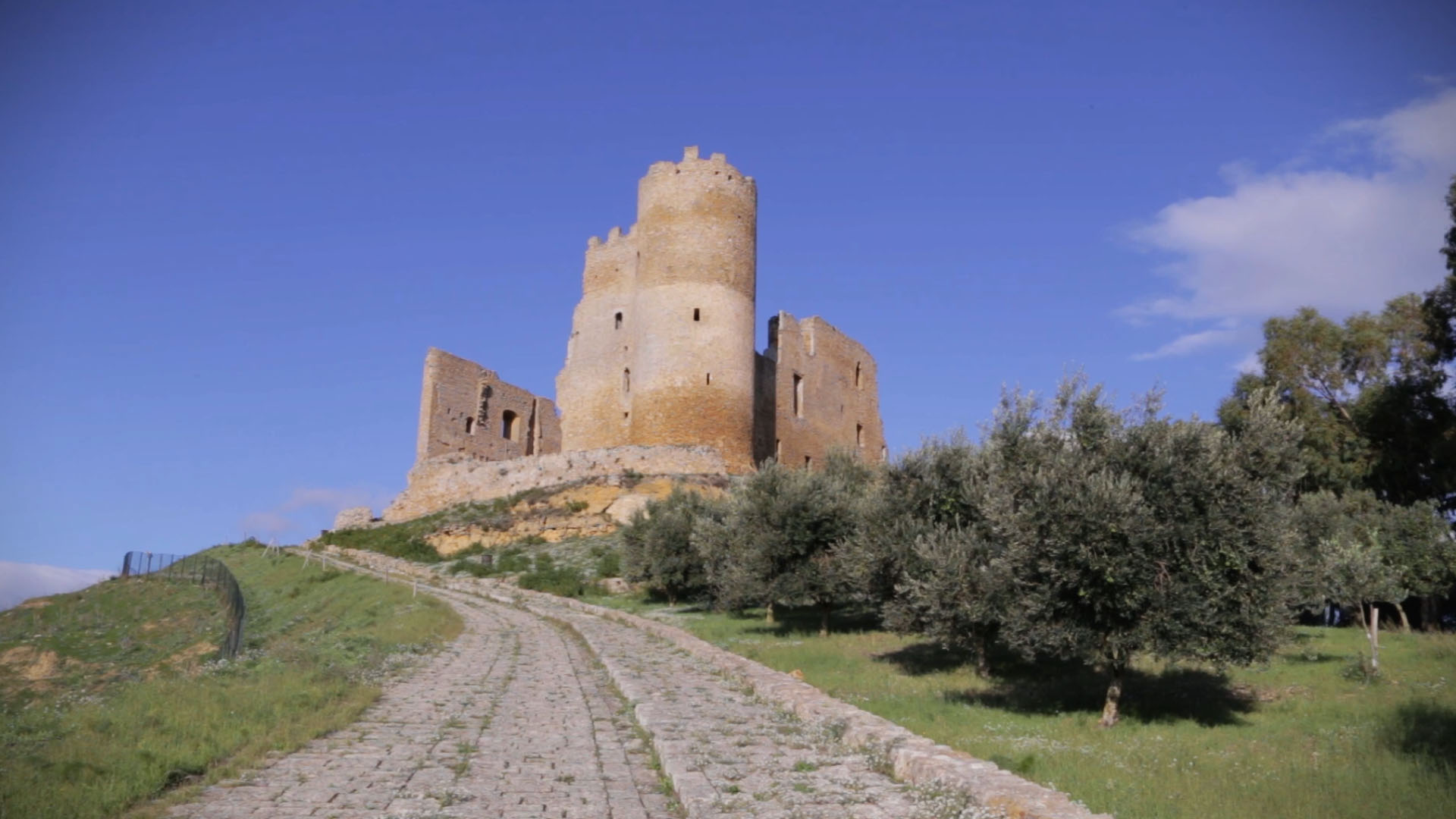
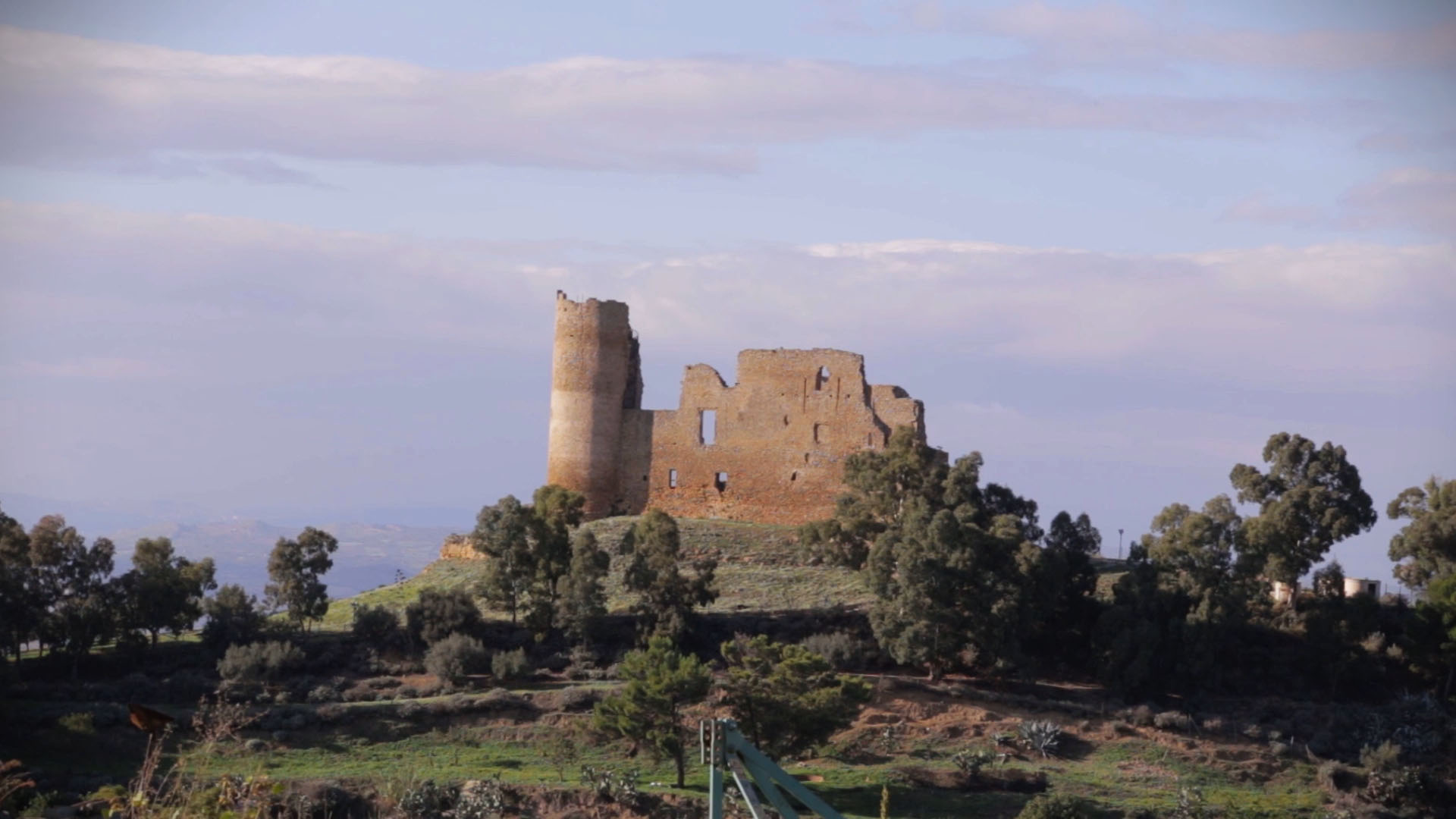
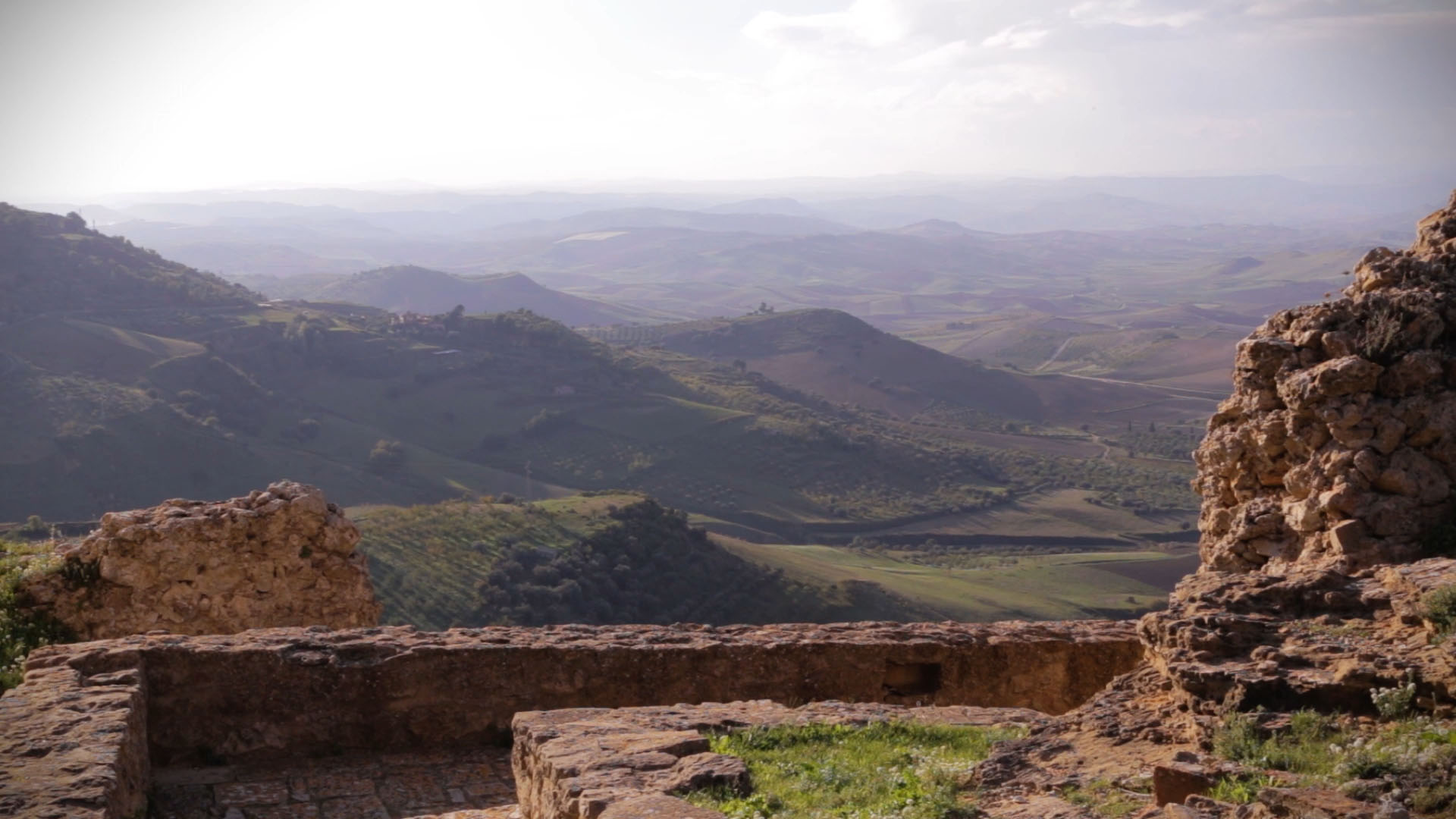
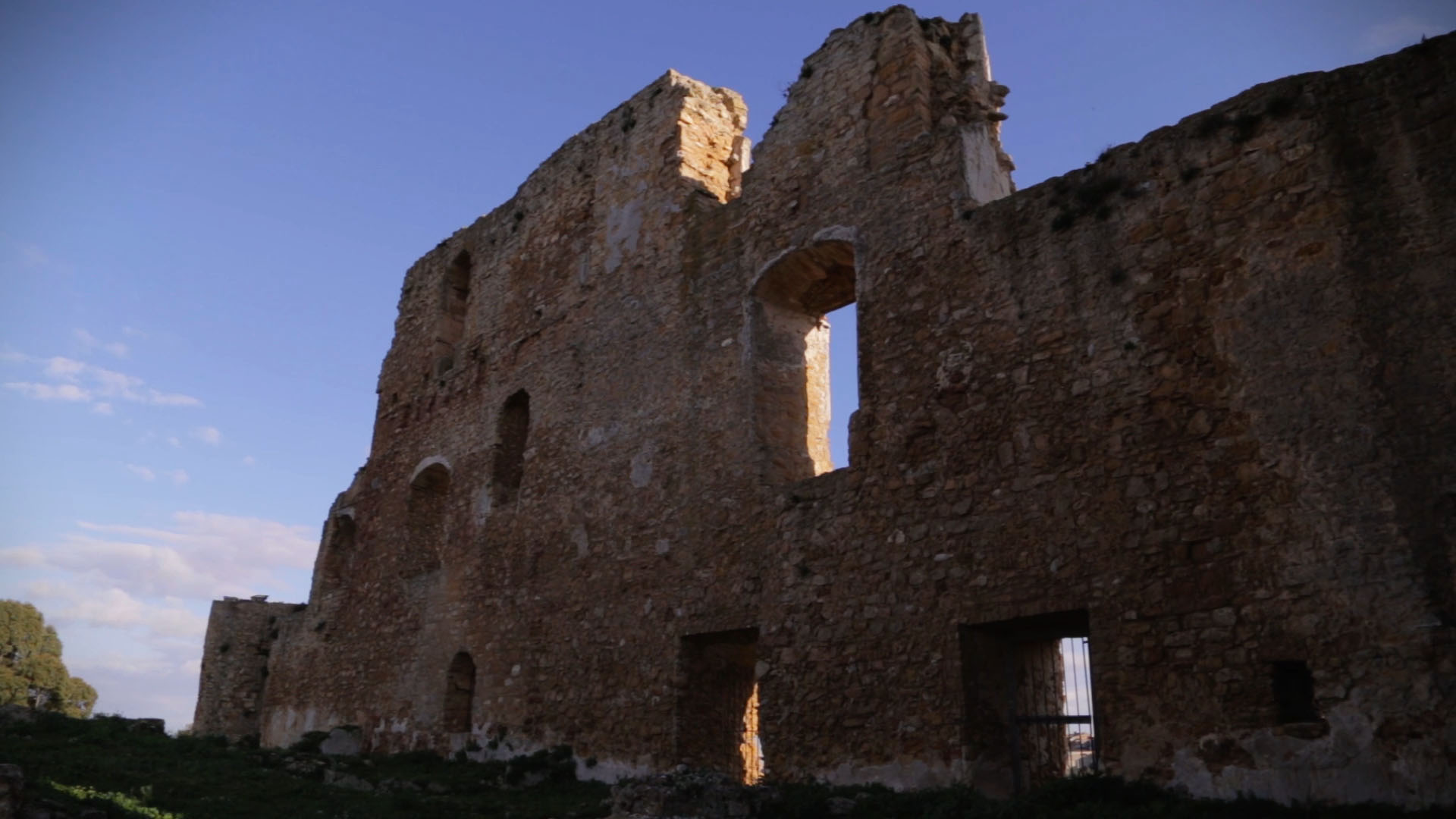
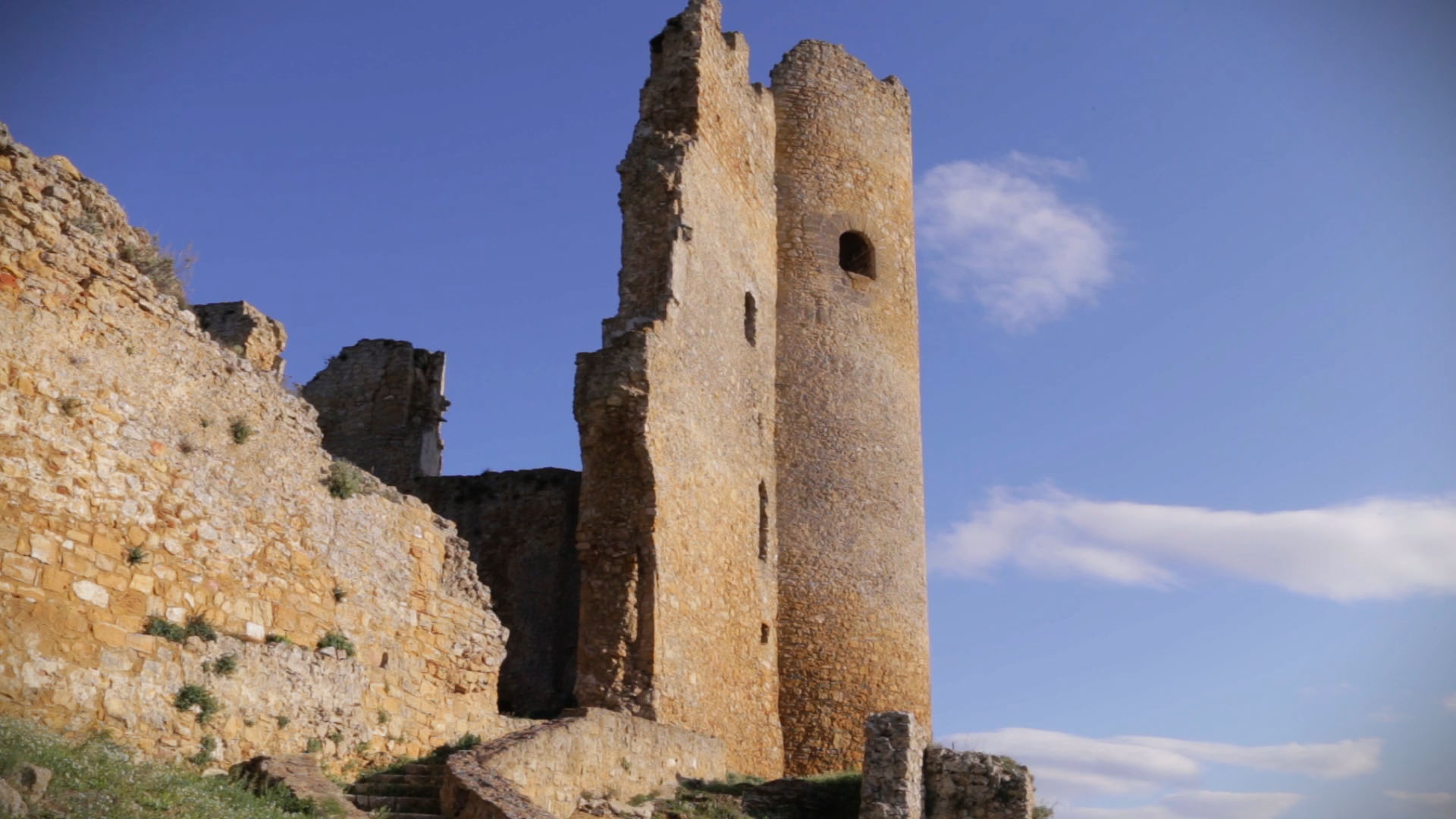
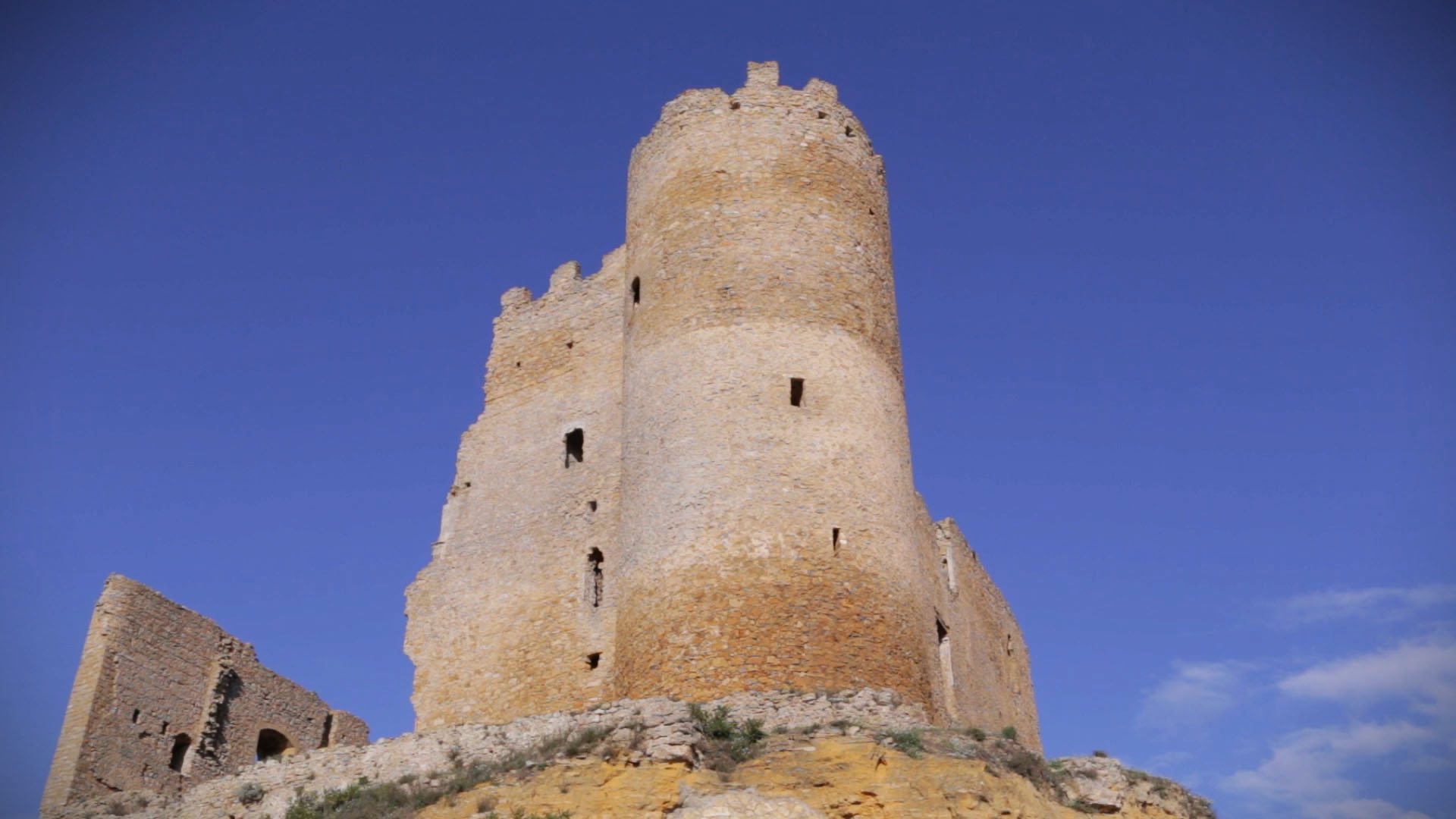
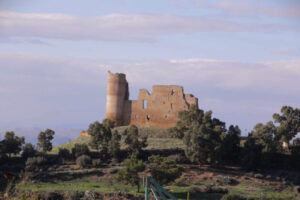
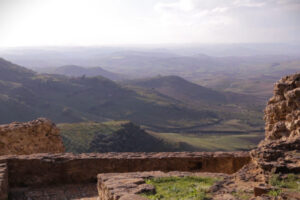
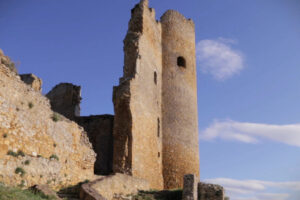
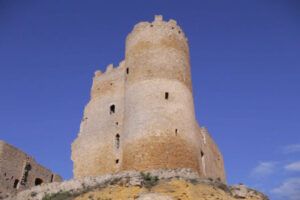
The castle of Mazzarino is known by the name of ‘U Cannuni as it is formed by a single cylindrical tower that stands proudly towards the Mazzarese sky. It rises north of the town and still seems to carry out its role of protection and defense of the town.
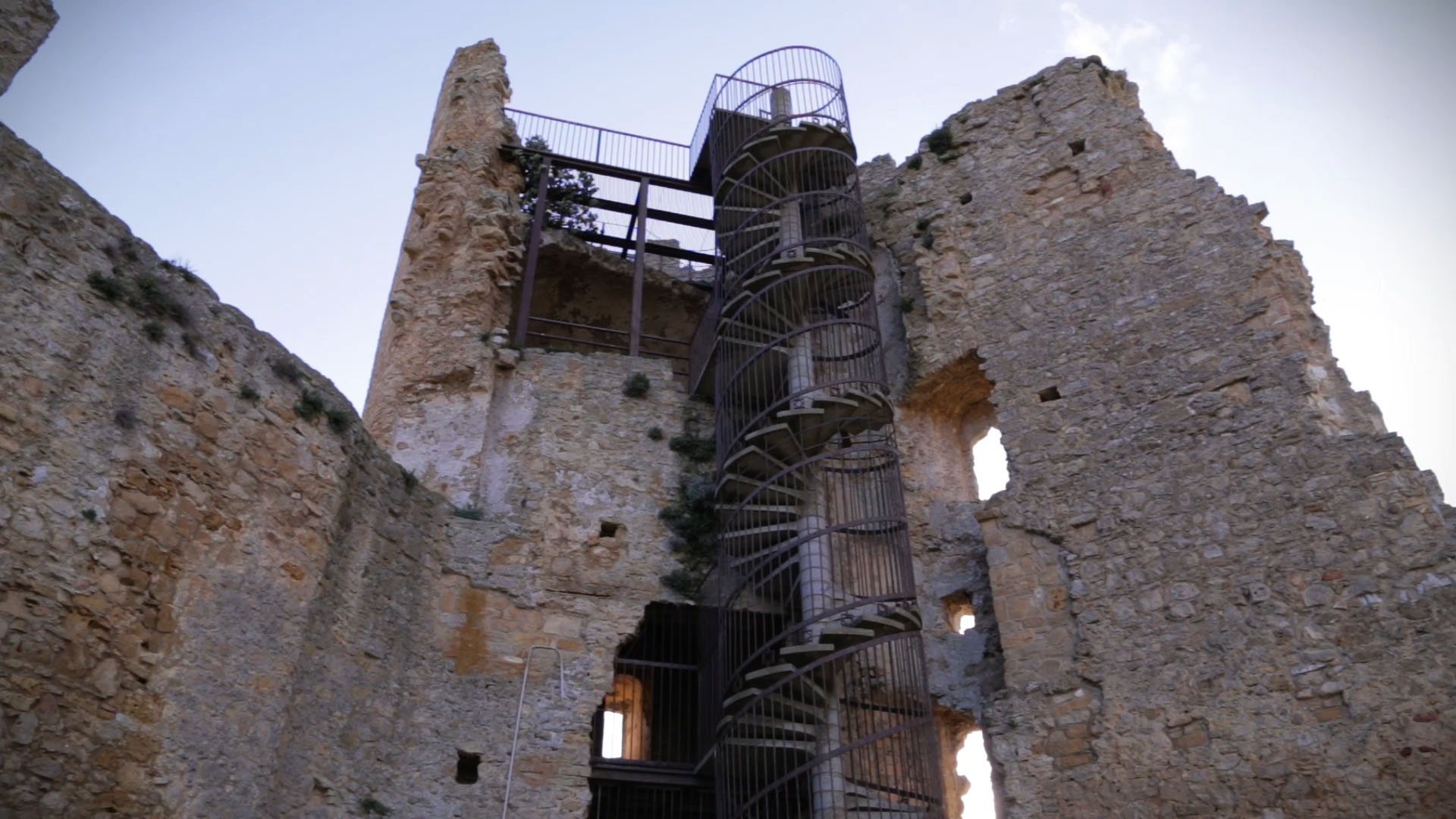
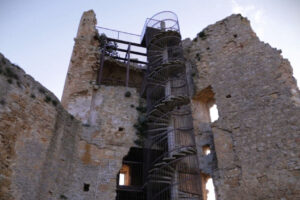
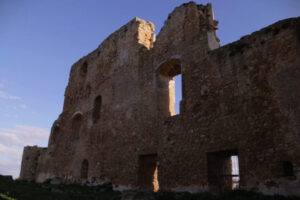
Originally the Castle had four cylindrical towers. Two of these towers housed the rooms for the living quarters. The other two towers instead had defense functions. In the 80s, in order to guarantee the enjoyment and conservation of the wonderful manor, a theater was built.
Santa Maria della Neve
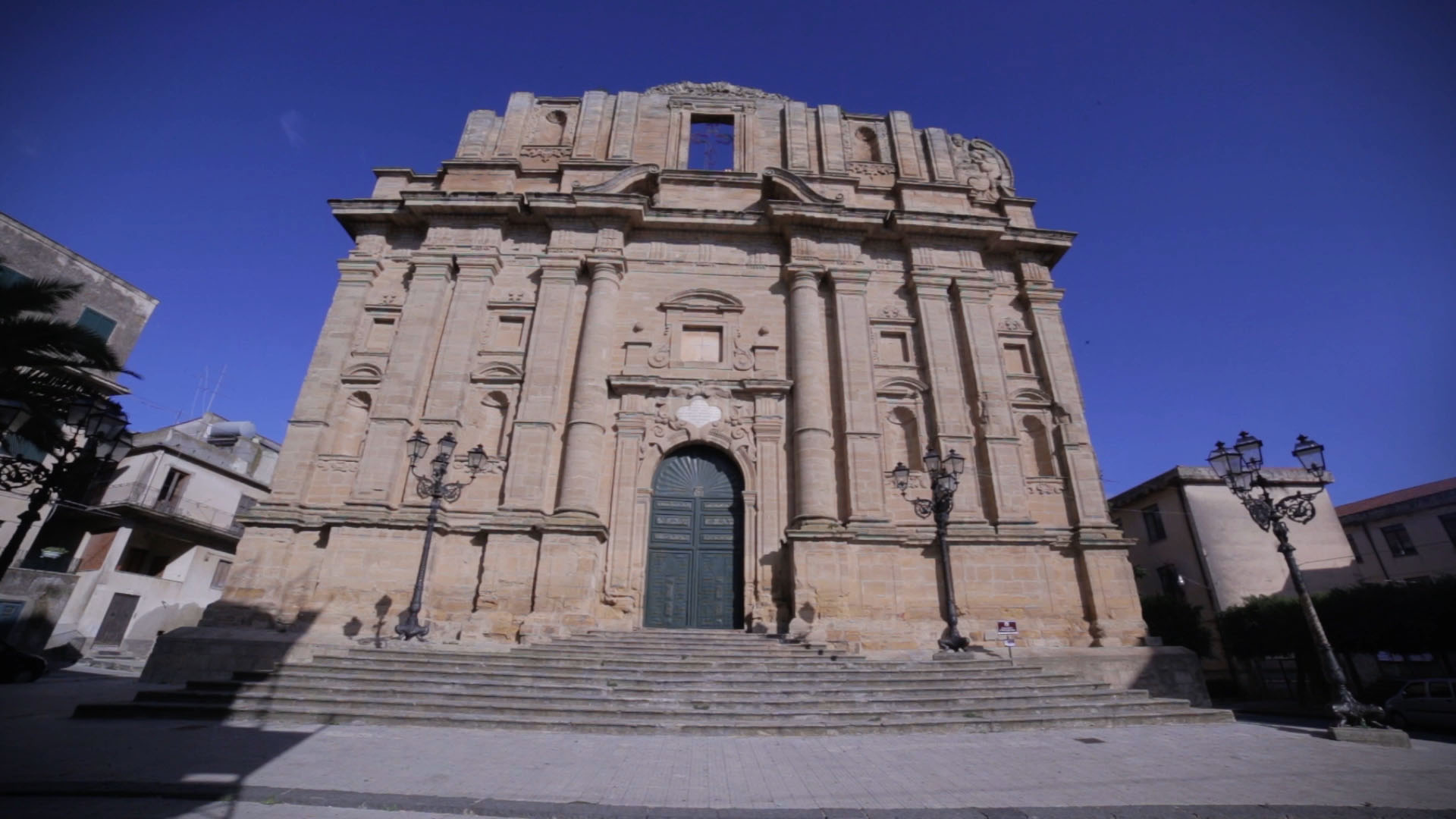
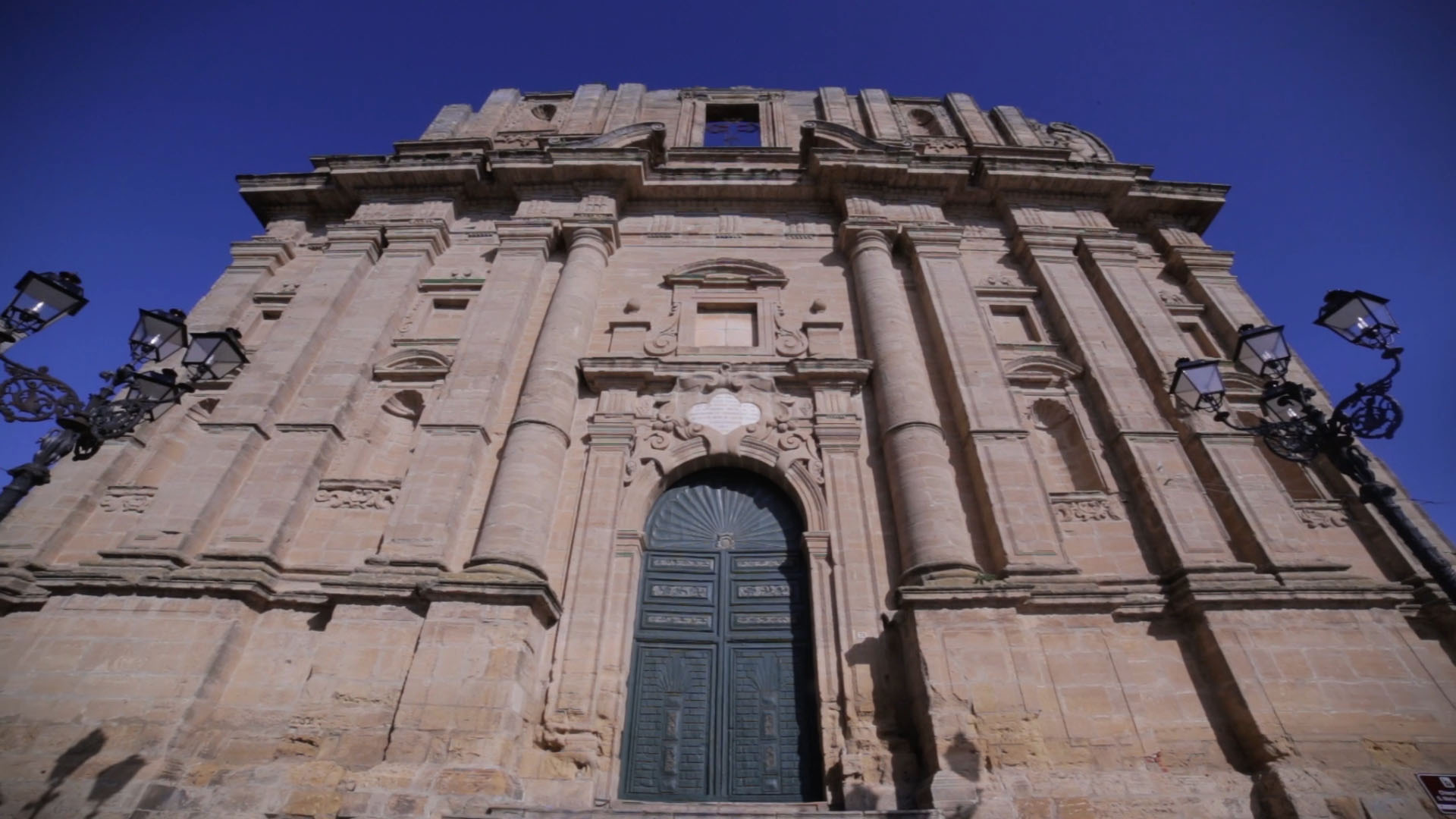
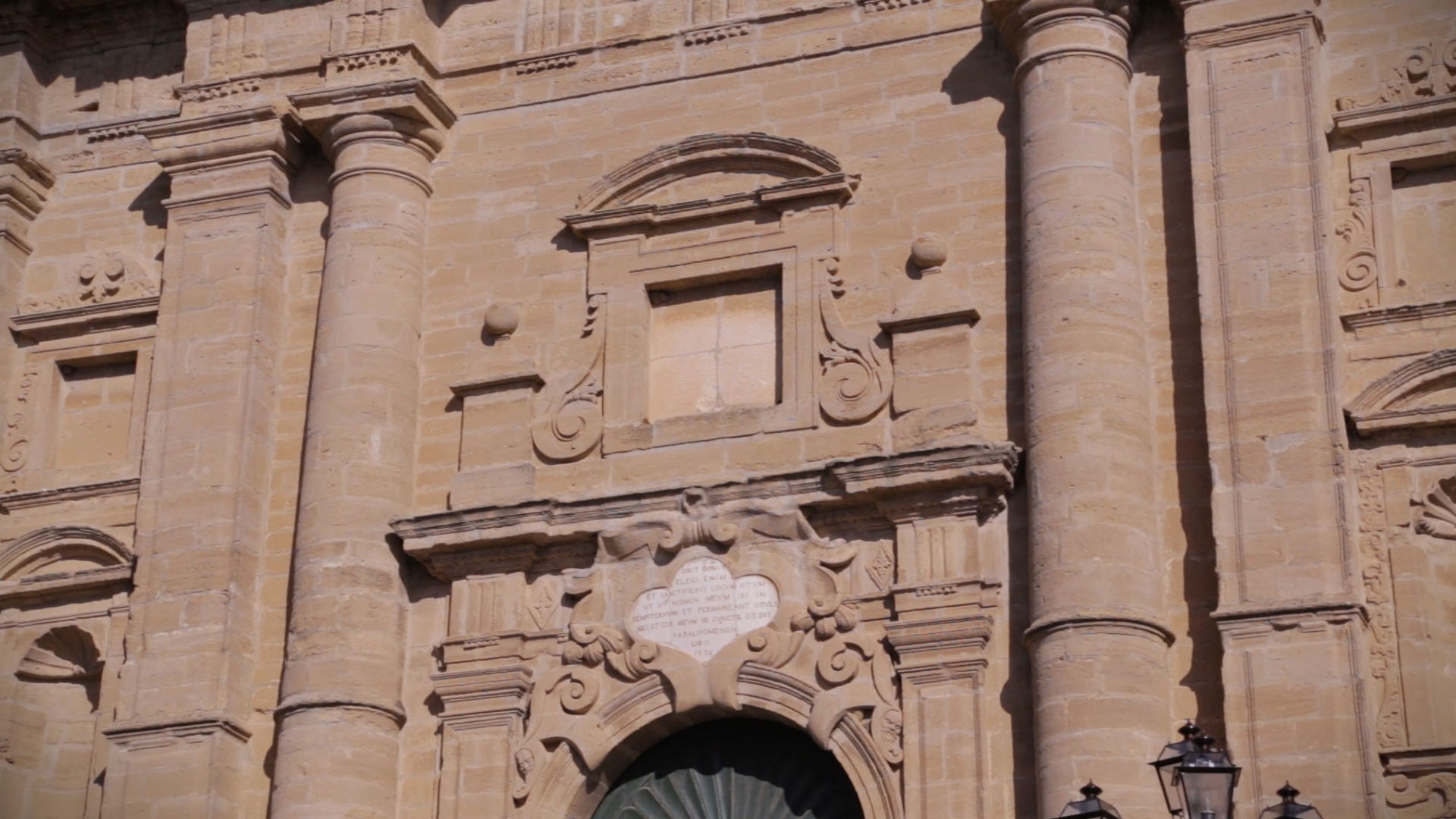
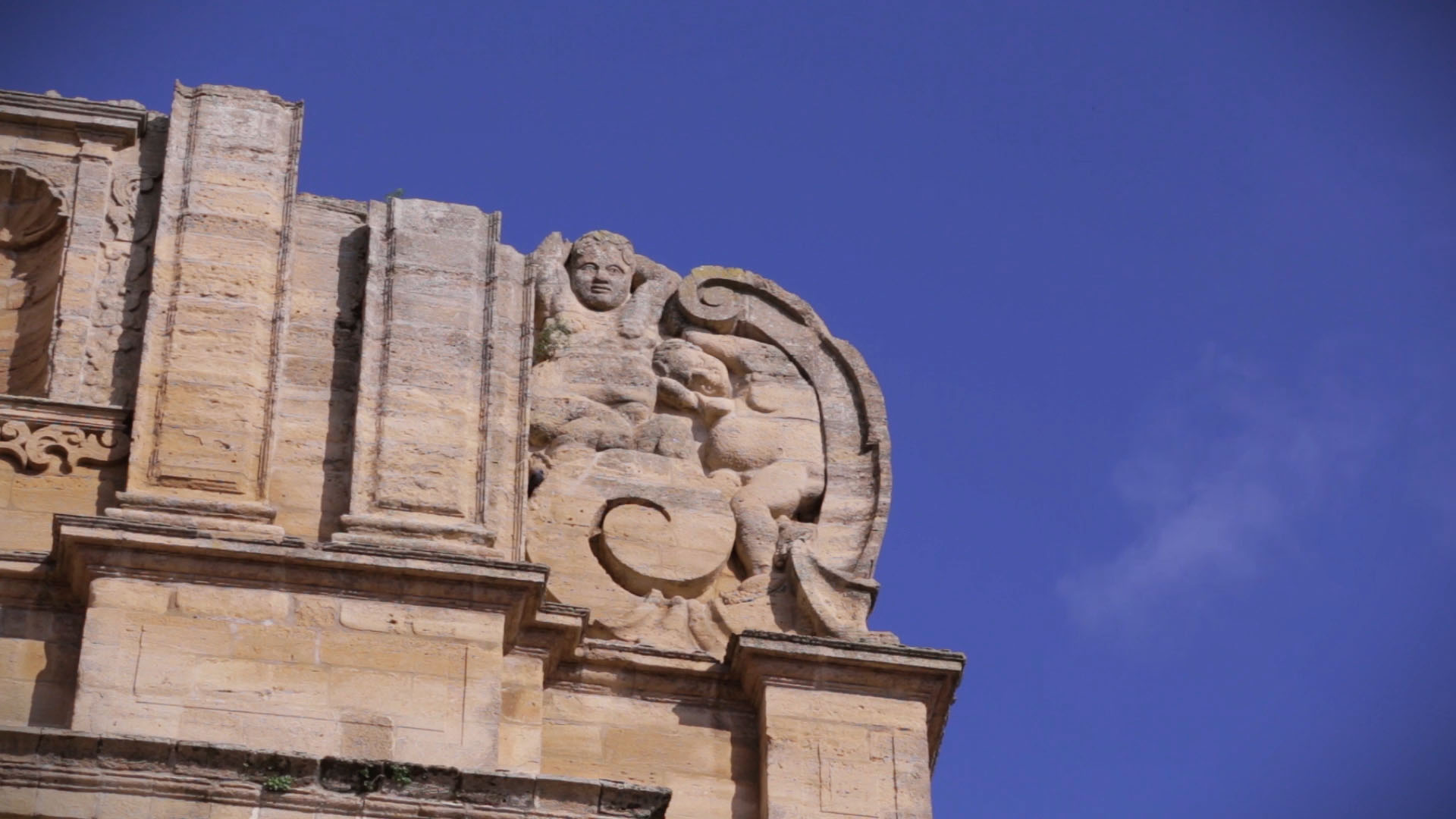
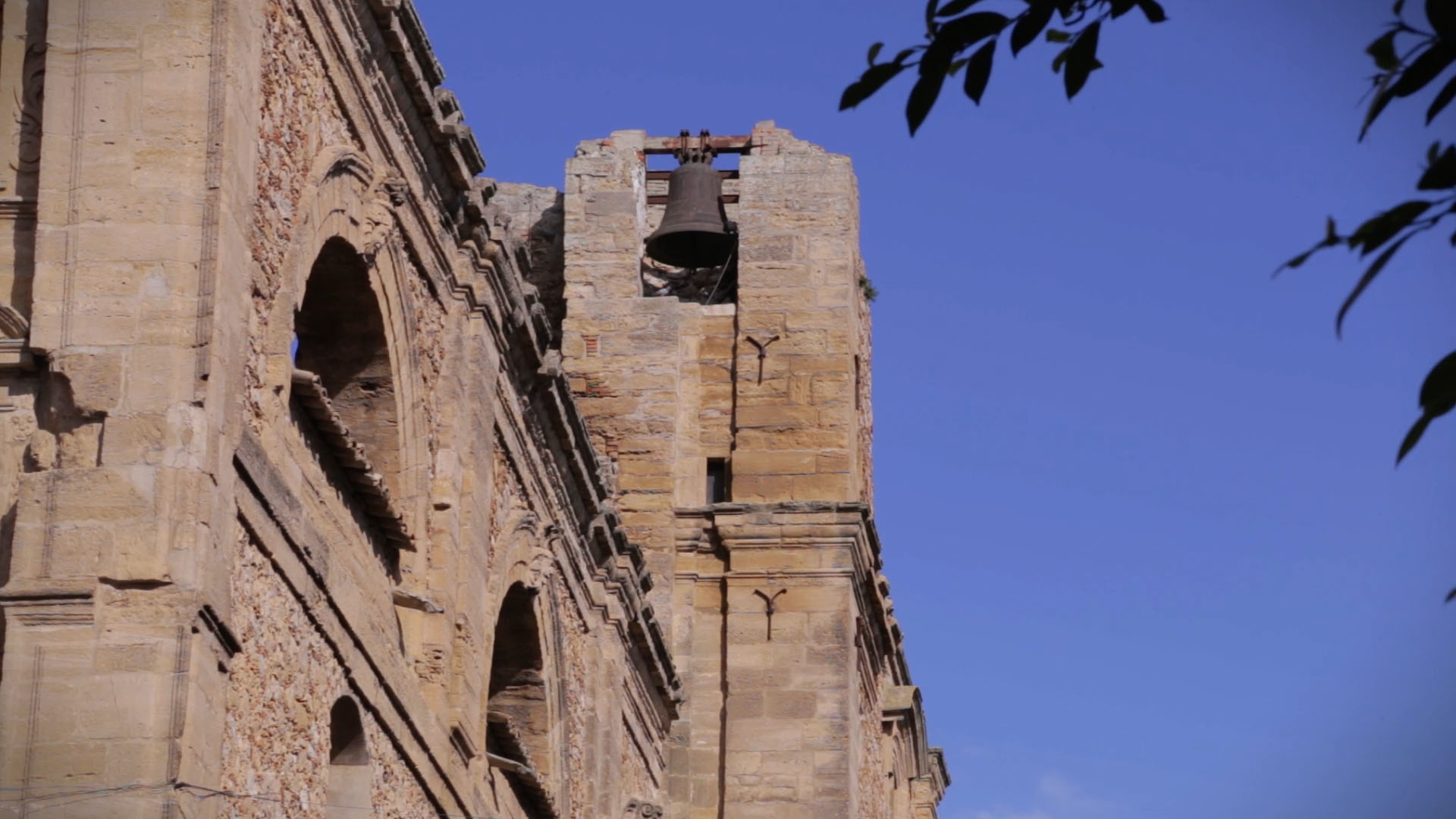
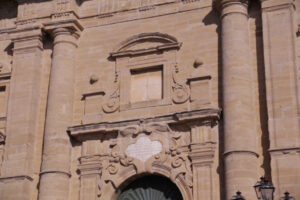
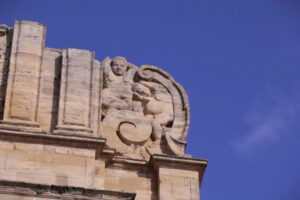
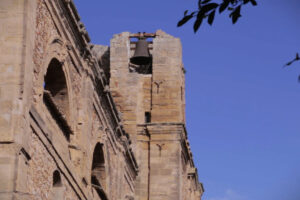
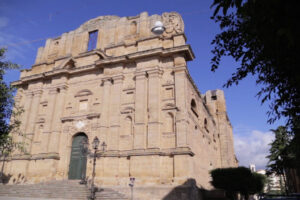
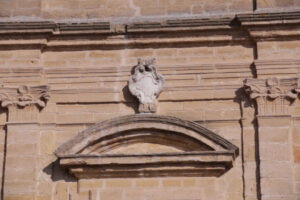
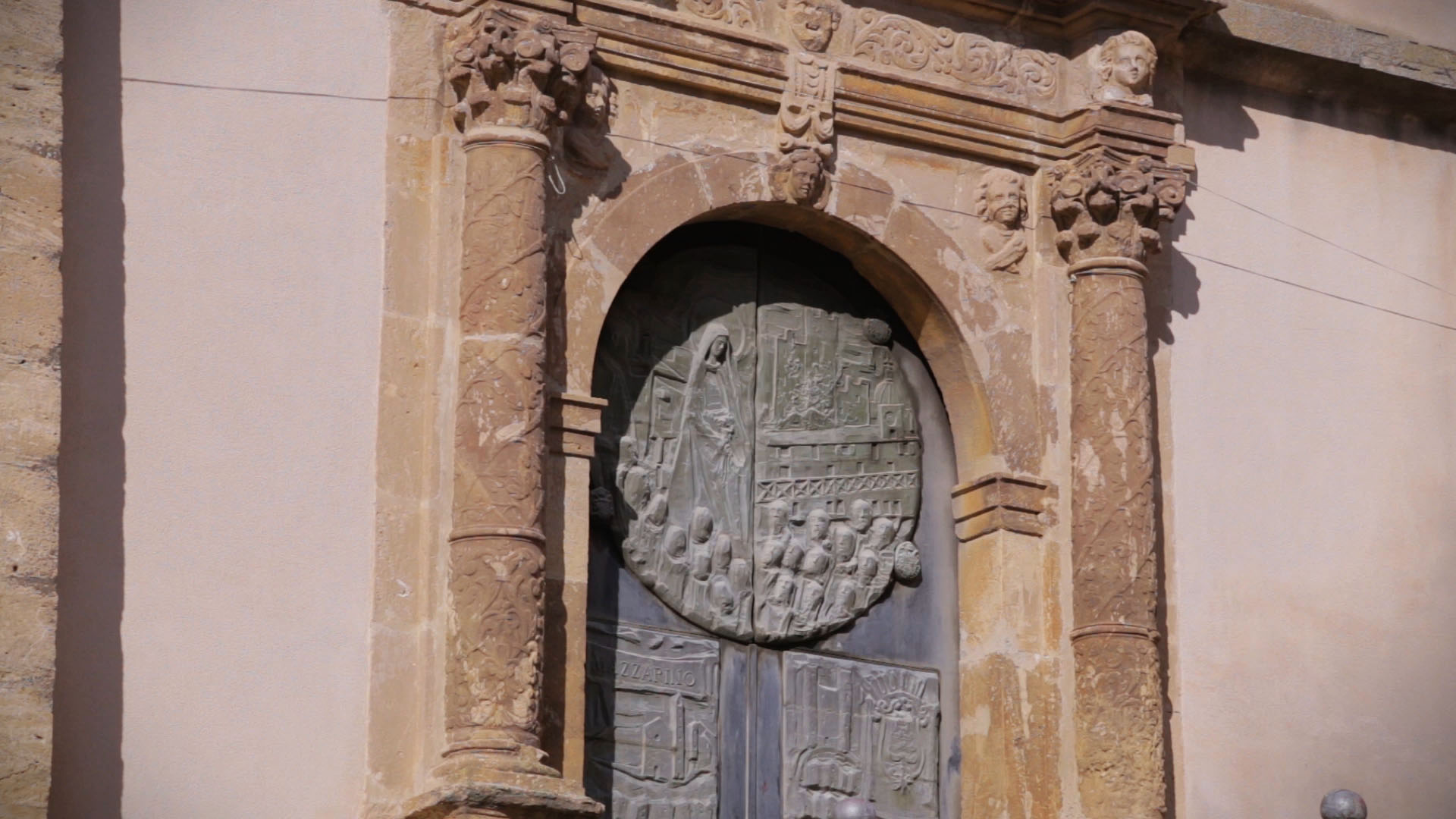
Tempio del Duomo or Madrice was built towards the end of the 16th century on the area where previously stood a small church dedicated to Santa Maria della Neve, designed by the architect Angelo Italia, later modified by testamentary disposition of Prince Carlo Maria Carafa. The original façade remained incomplete, in fact in the upper left part there is a bas-relief carved in stone, depicting the creation of Adam and Eve, on the right side the other piece that was supposed to depict Cain and Abel is missing; on the entire façade there are four empty coffers that were supposed to be covered by bas-reliefs, no longer executed, as well as four statues that were supposed to cover the empty niches are missing.
The interior has three naves, in the high altar there is a large canvas of the Madonna della Neve, the stuccos of the chapel of the Madonna di Lourdes are the work of Fantauzzi. This chapel and that of the SS. Sacramento, are adorned with two wonderful nineteenth-century chandeliers in polychrome Murano glass; in the high altar there is a very rich stall of canons, or choir, a very precious work of the fellow citizen Santi Rigano. The altar is in gold and colored crystals, the work is composed of 36 scenes from the Old and New Testament, above them eighteen medallions complete the precious stall, reproducing the twelve apostles, the four evangelists, Saint Joseph and the Madonna, the work was completed in 1872. The Cathedral has been a parish with some interruptions since 1763.
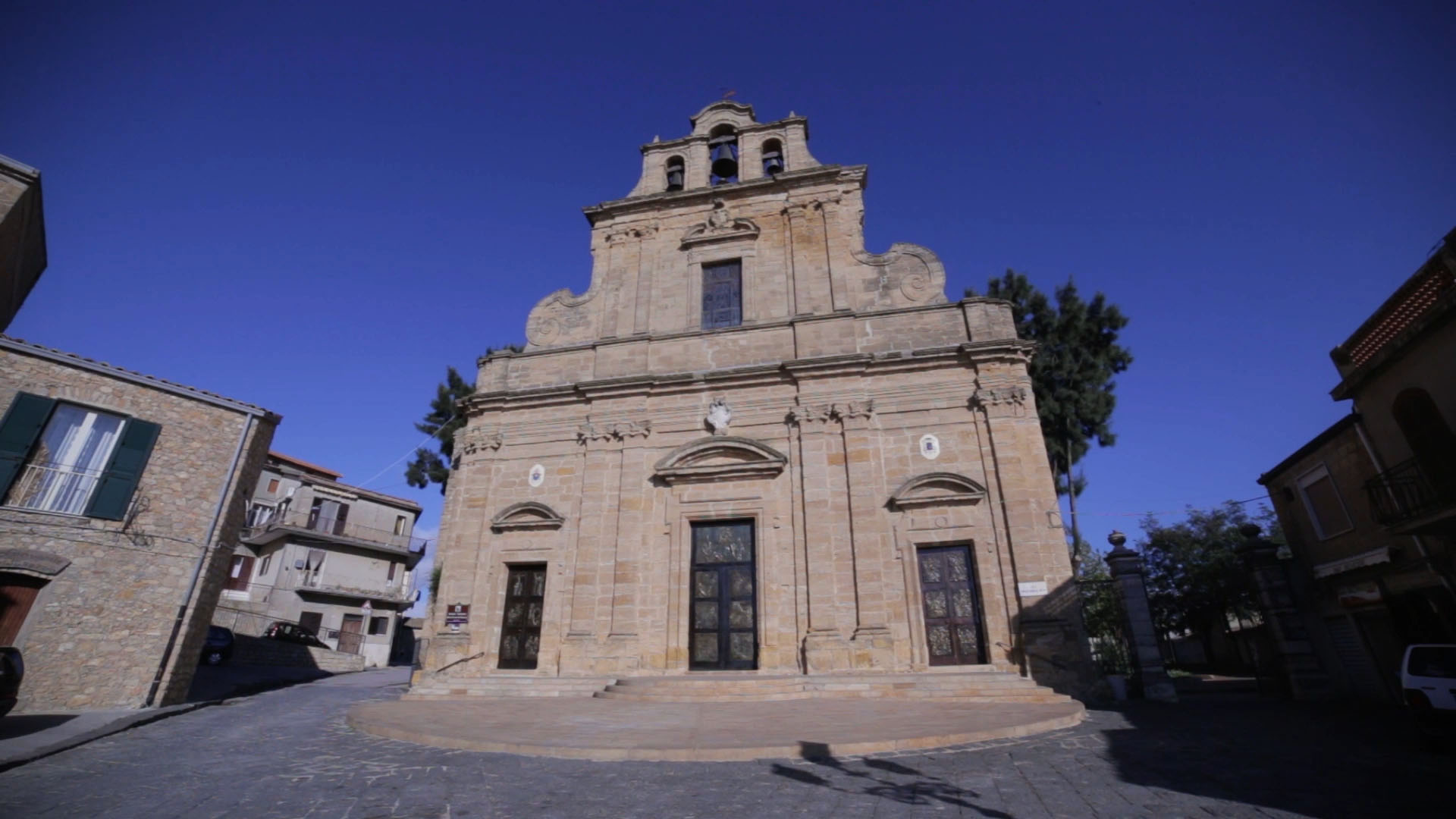
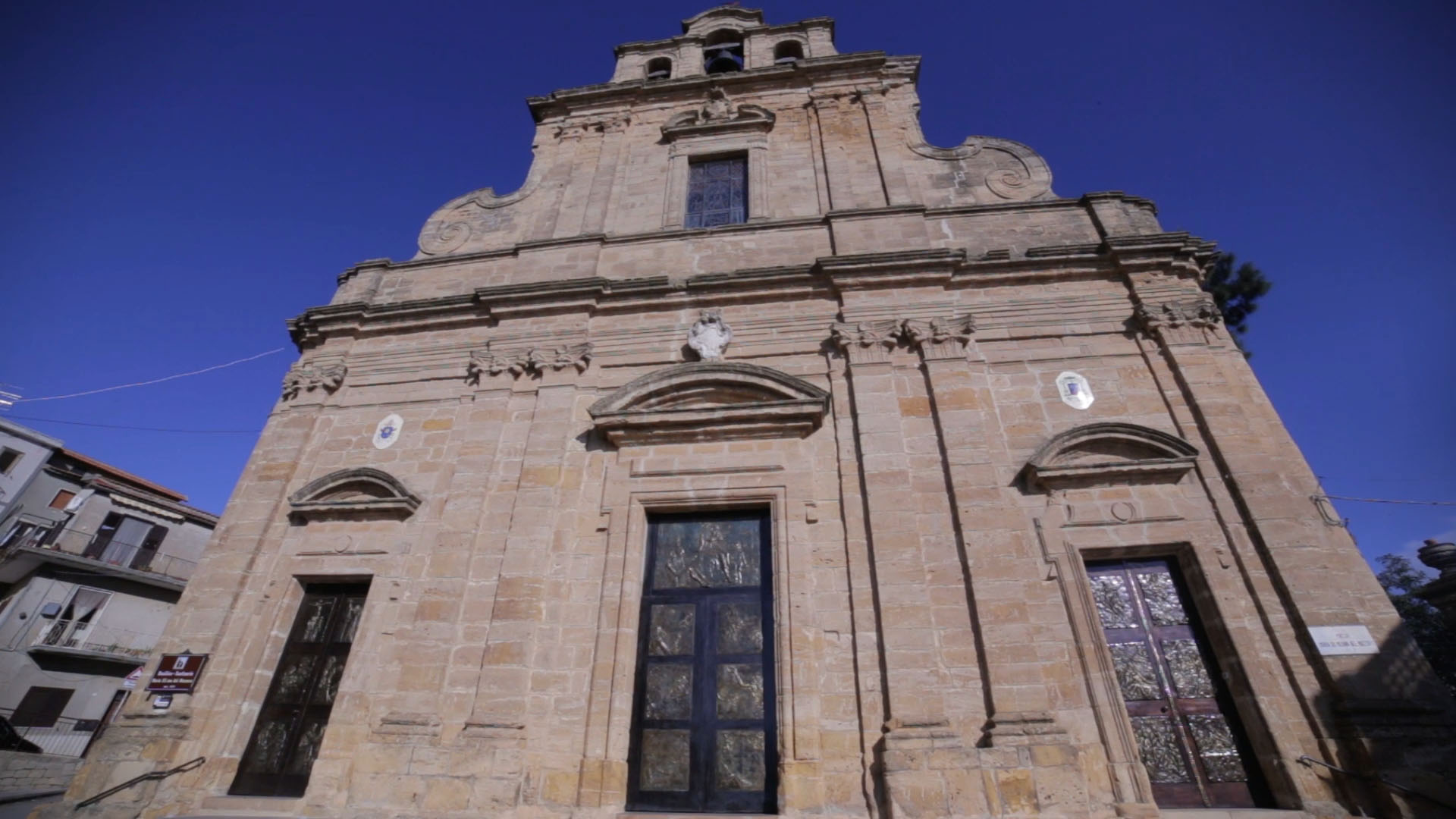
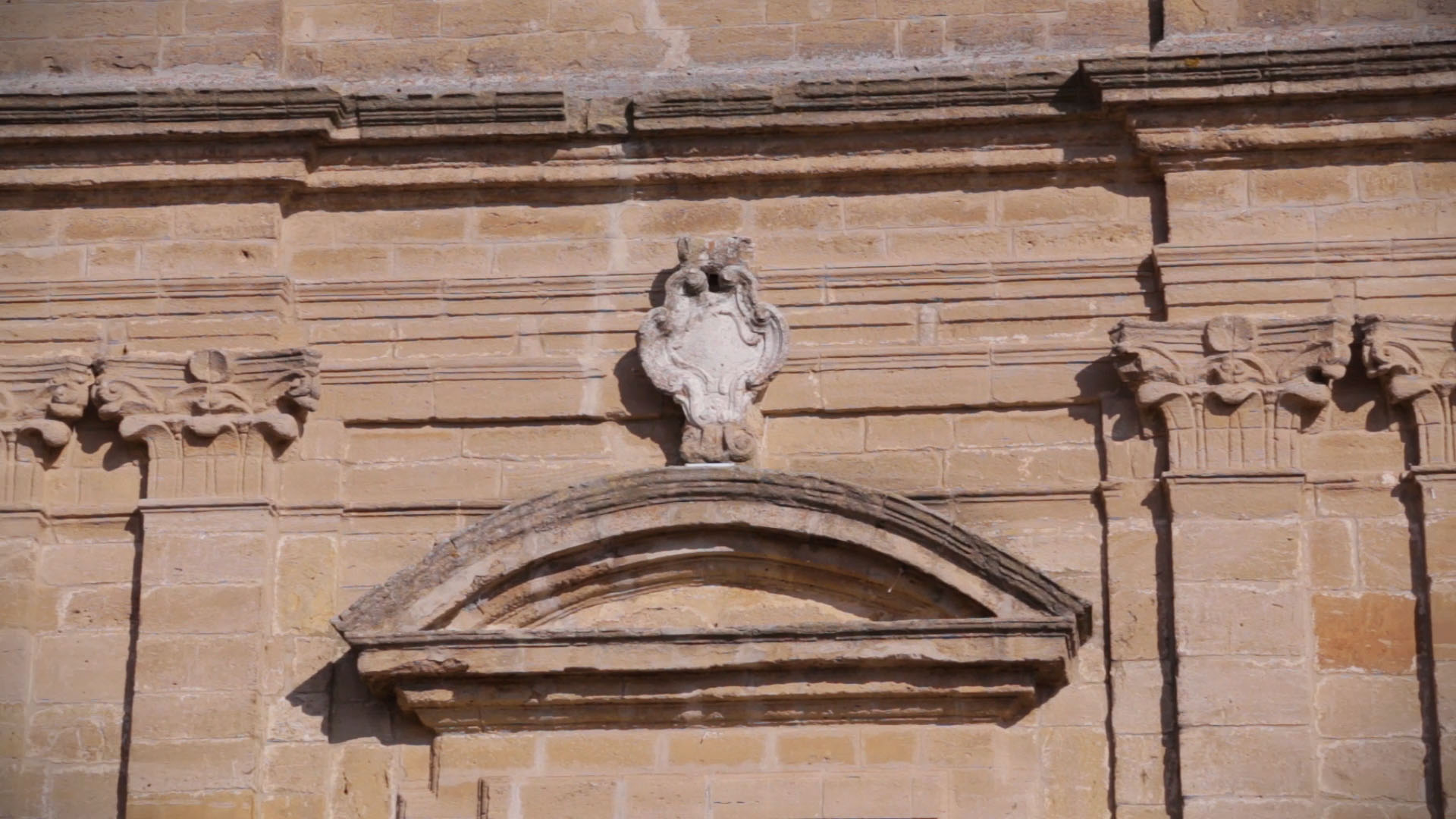
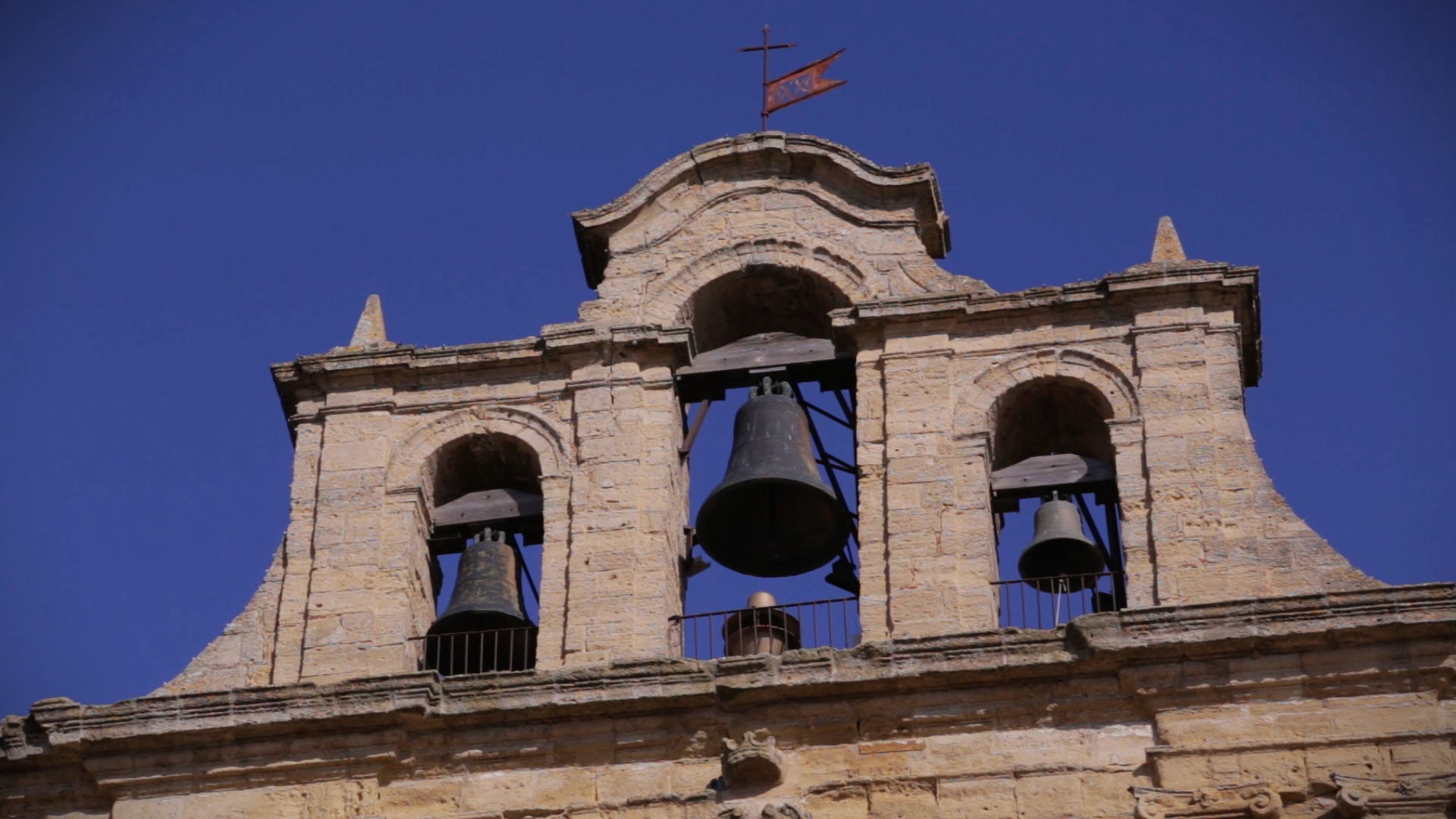
Basilica Maria SS. of Mazzaro
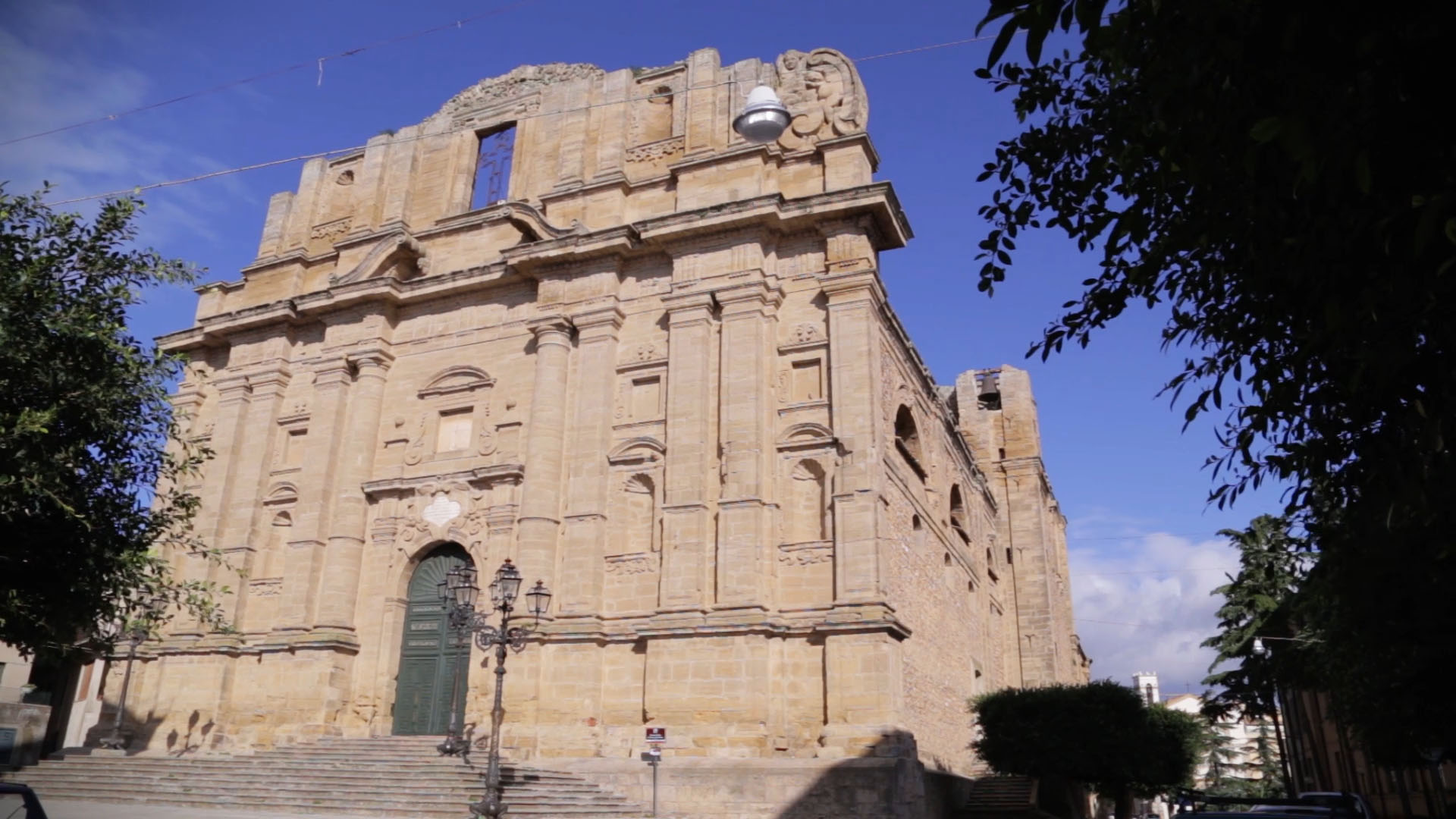
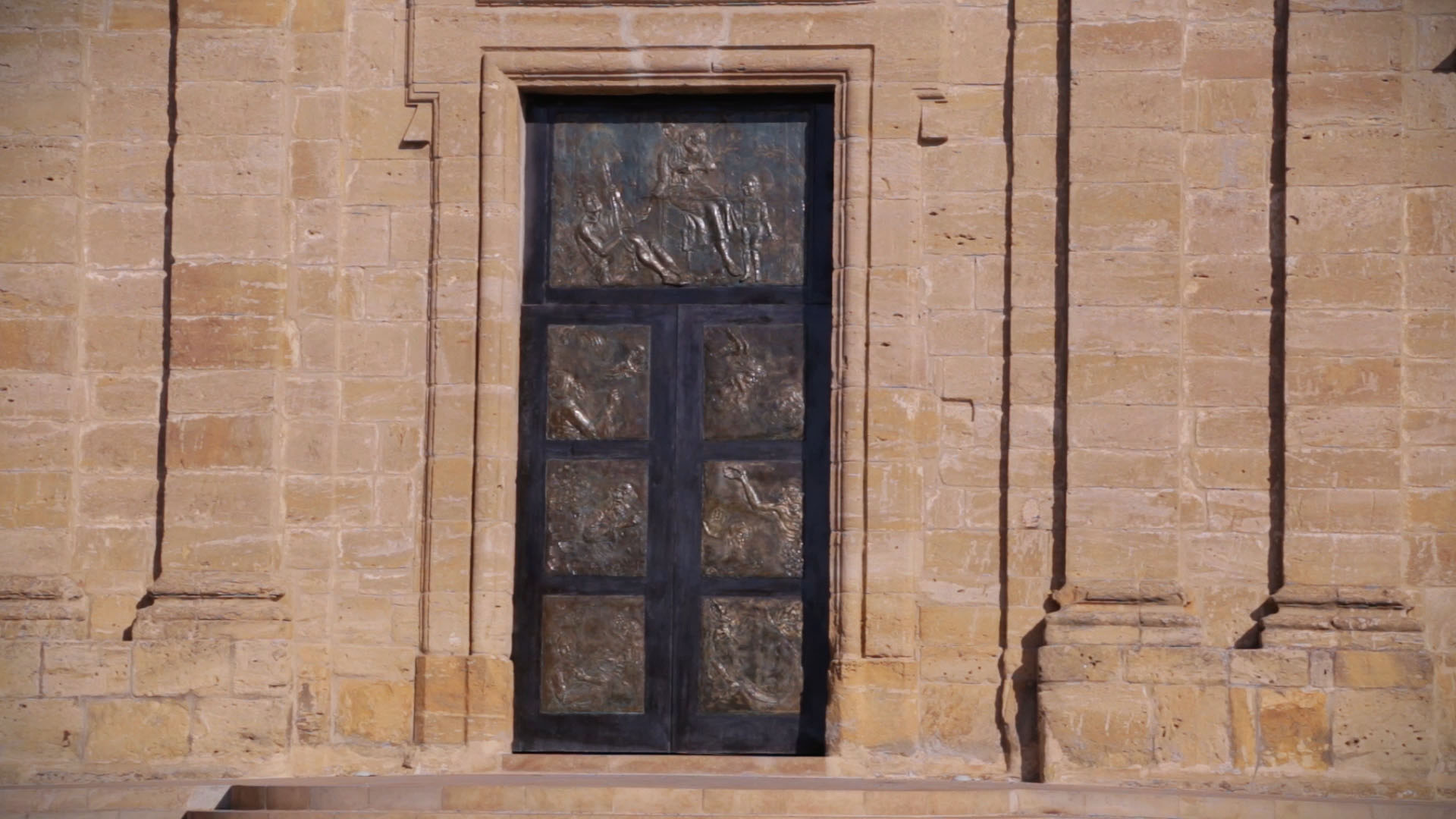
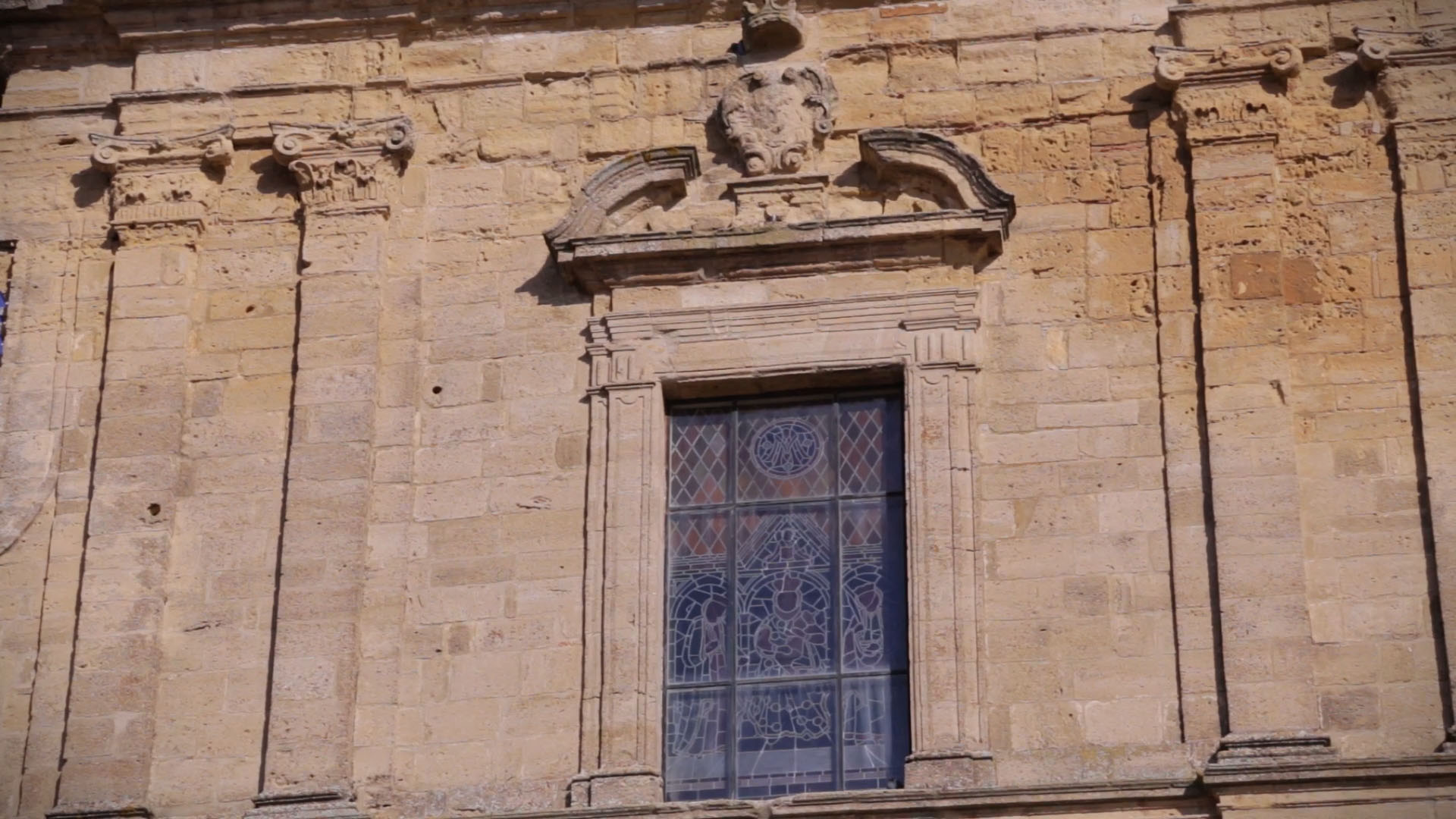
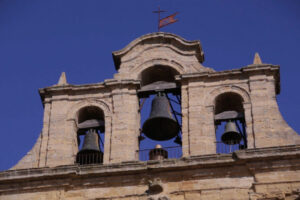
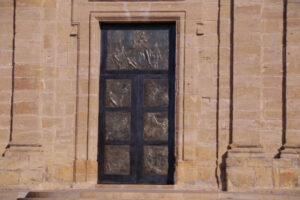
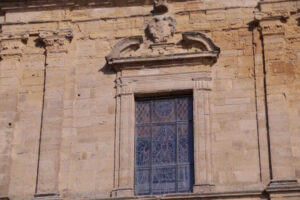
Built around 1100 by Manfredi, destroyed by the earthquake of 1693 and rebuilt from 1760. The temple has three naves with walls decorated in Sicilian Baroque style designed by Bonaiuto da Siracusa.
Inside there is a wooden picture depicting the Madonna and Child on her knees and next to the Sicilian virgins Sant’Agata and Santa Lucia, in Greek-Byzantine style, found by a shepherd around 1125 while he was grazing his flock on the wooded top of the hill of Mazarin; buried following the edict issued by Leone Isaurico, after the discovery, the people proclaimed the Madonna of the picture Patroness of Mazarin.
Maria SS. of Tears
It originated from an event that happened in full view of everyone in 1638, when in the house of a certain Giuseppe Peloso, a painting of the Holy Virgin was seen to weep. The house was demolished and from its ashes, by will of the people and by the charity of Count Giuseppe Branciforti, the current church was erected, having a circular shape, with three naves, the diameter of the dome of St. Peter’s in Rome. Santa Rita is venerated there, whose feast day occurs in the month of May.
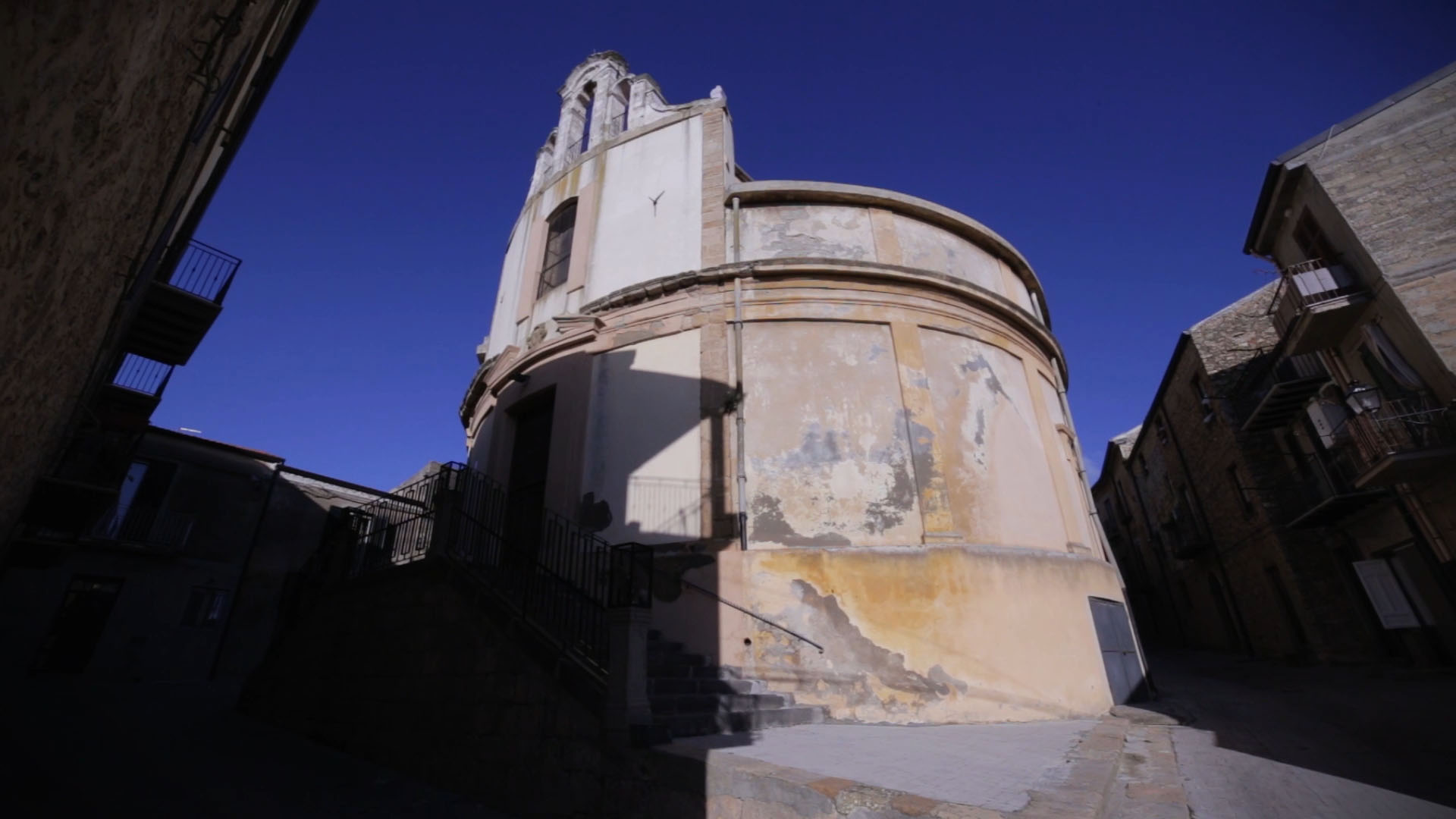
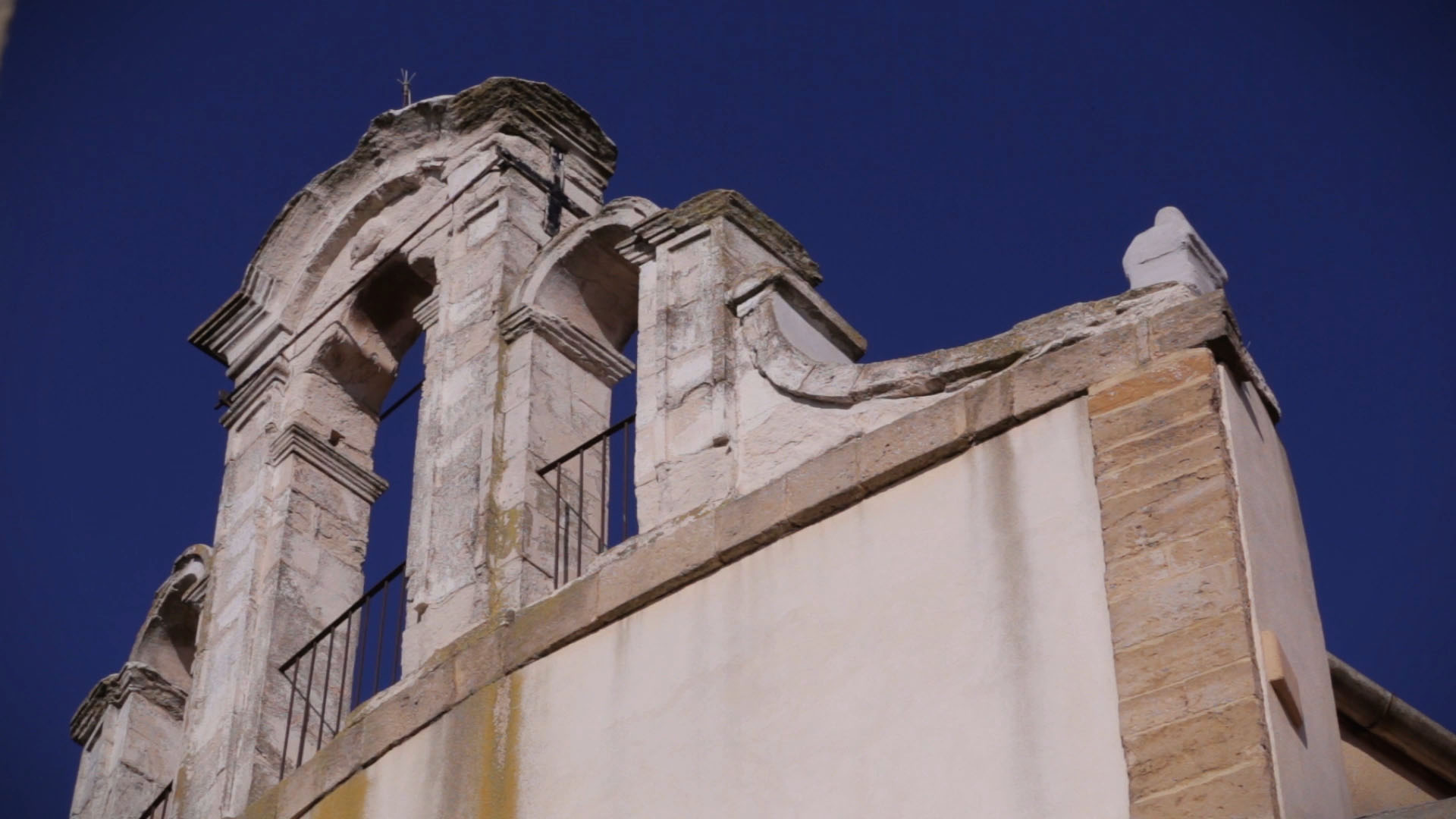
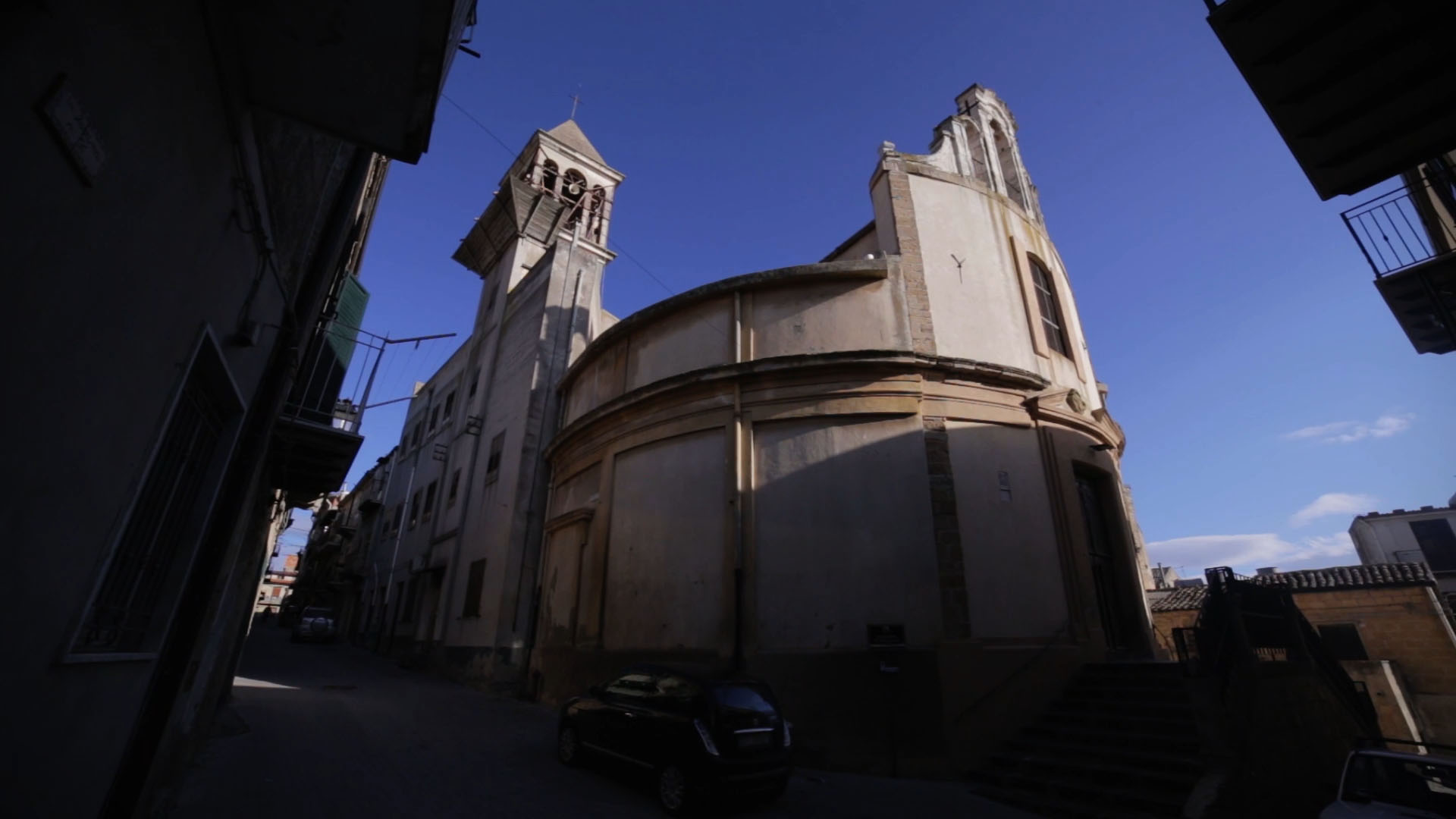
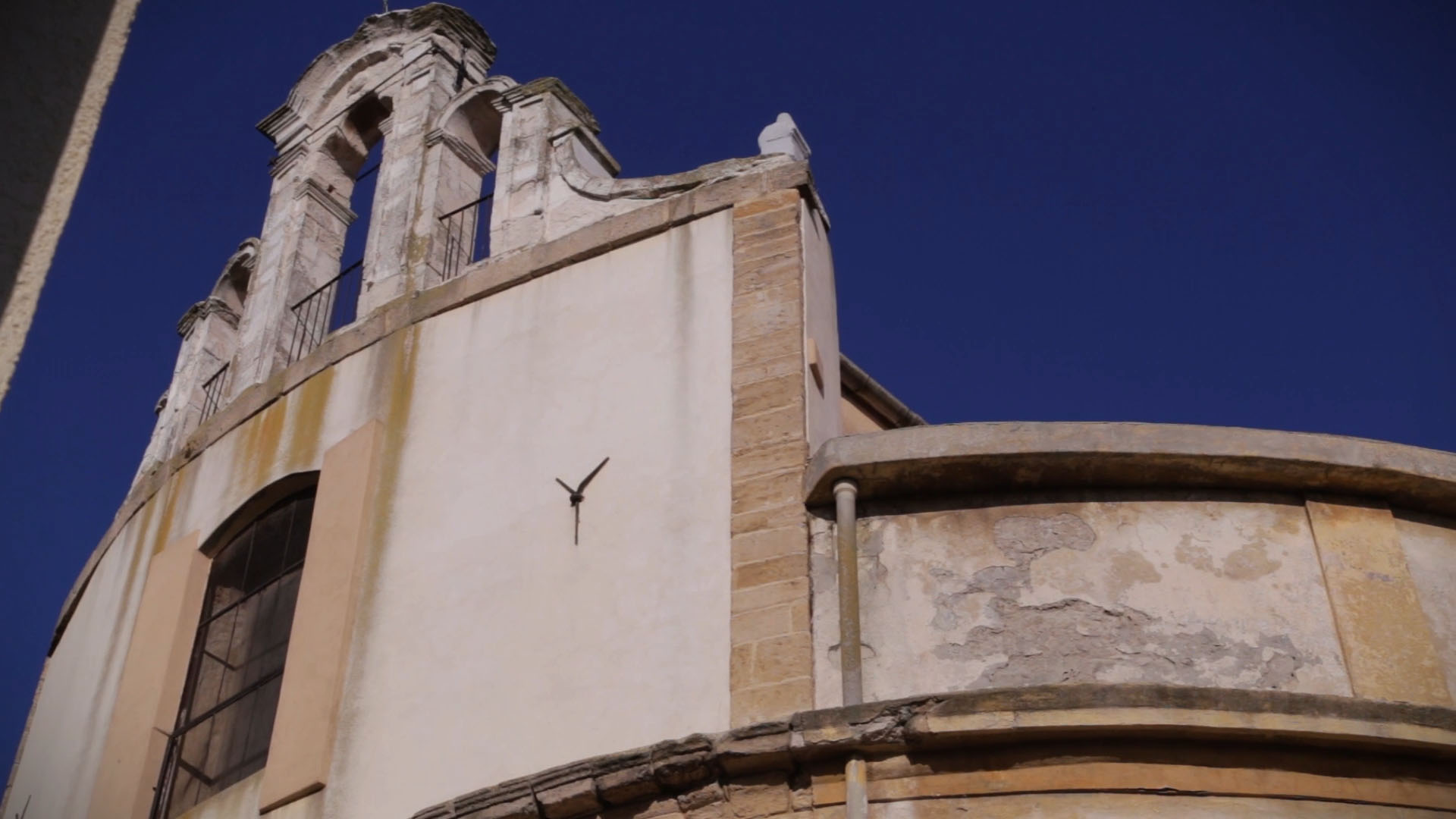
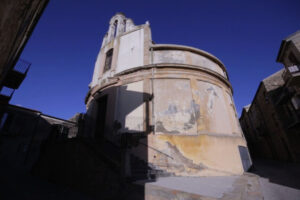
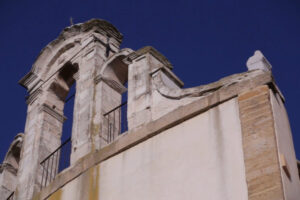
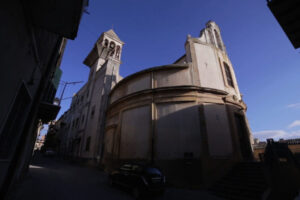
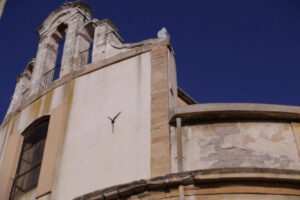
Former Convent of the PP. Carmelites and the Carmine Church
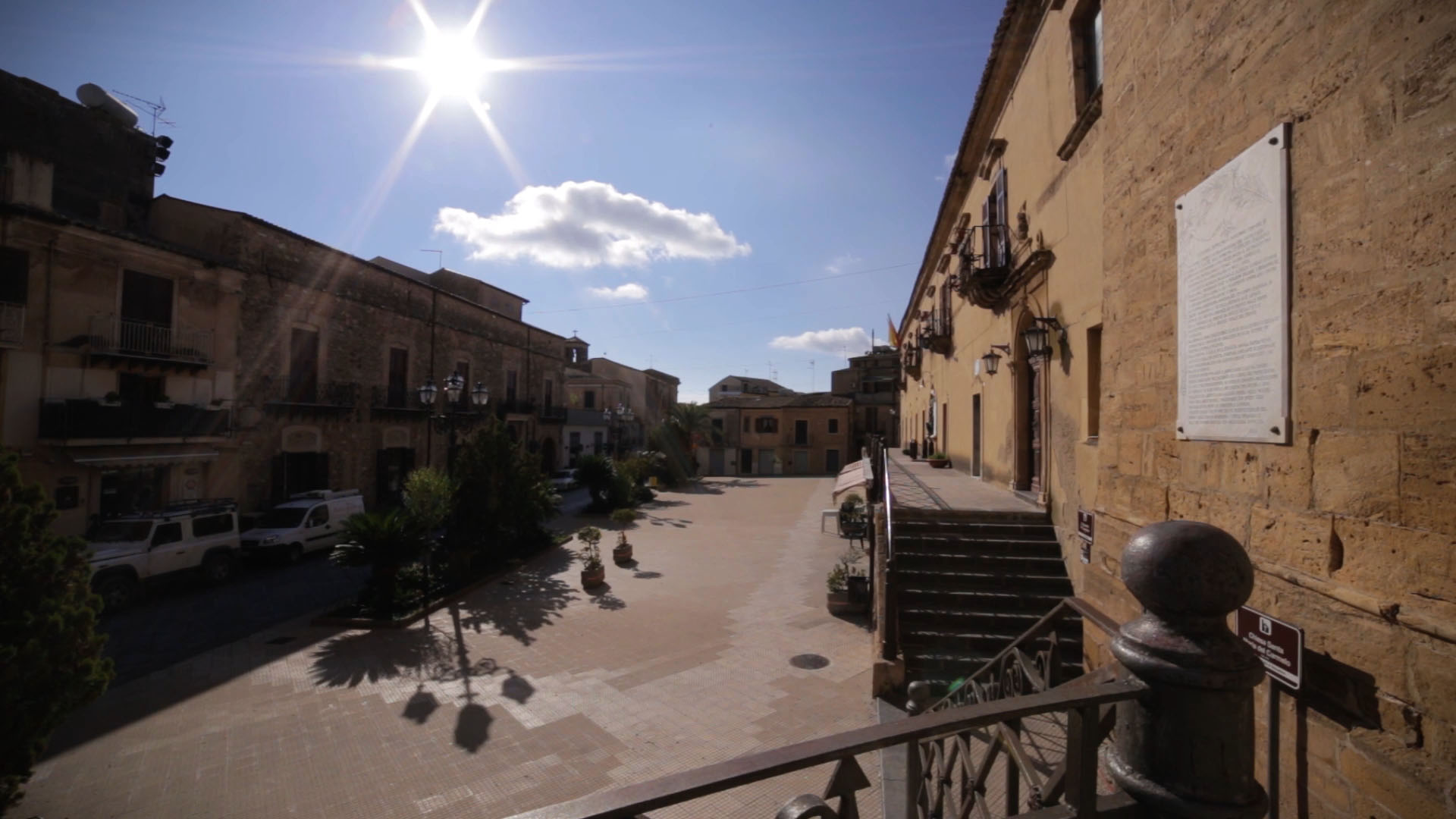
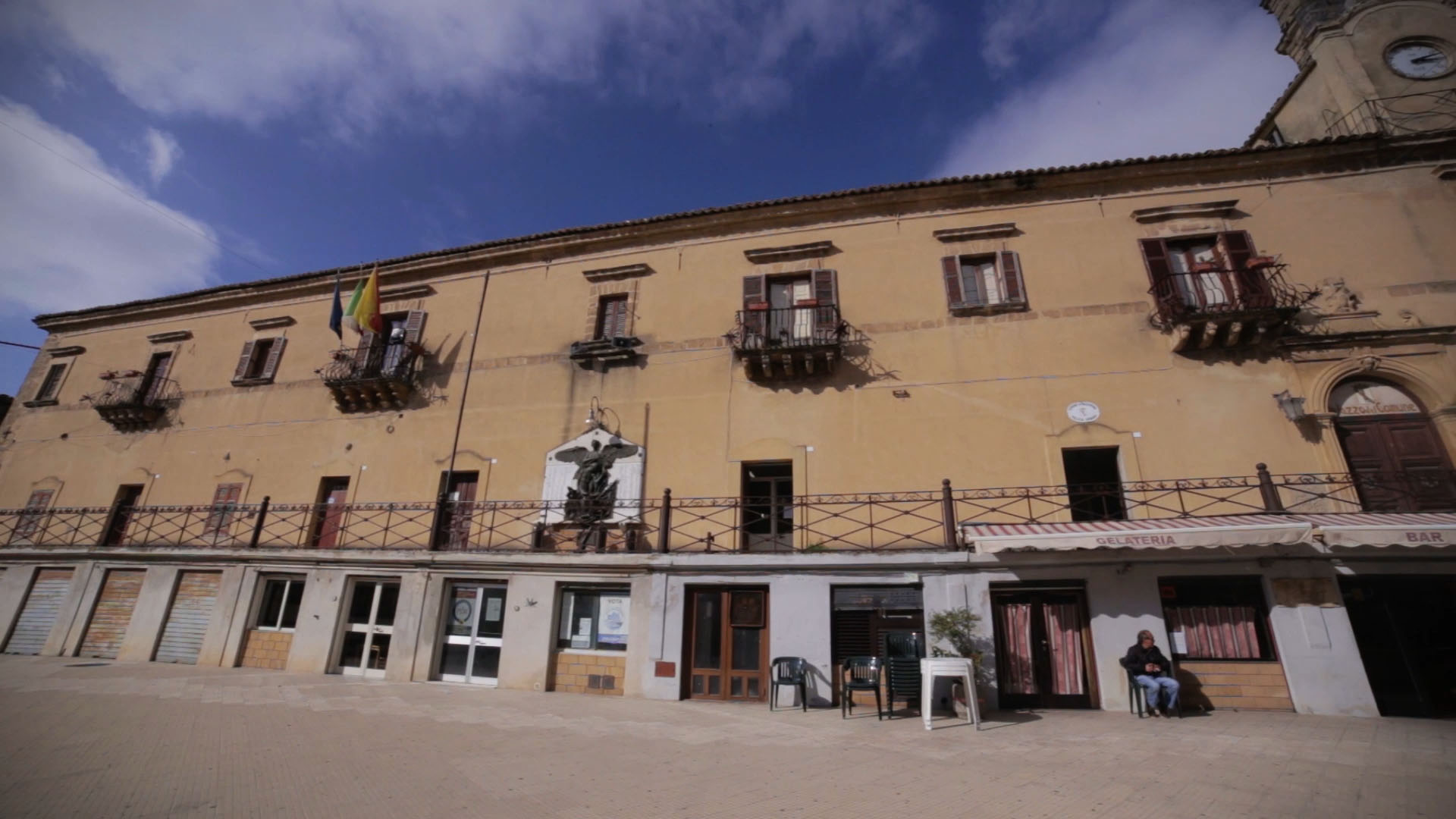
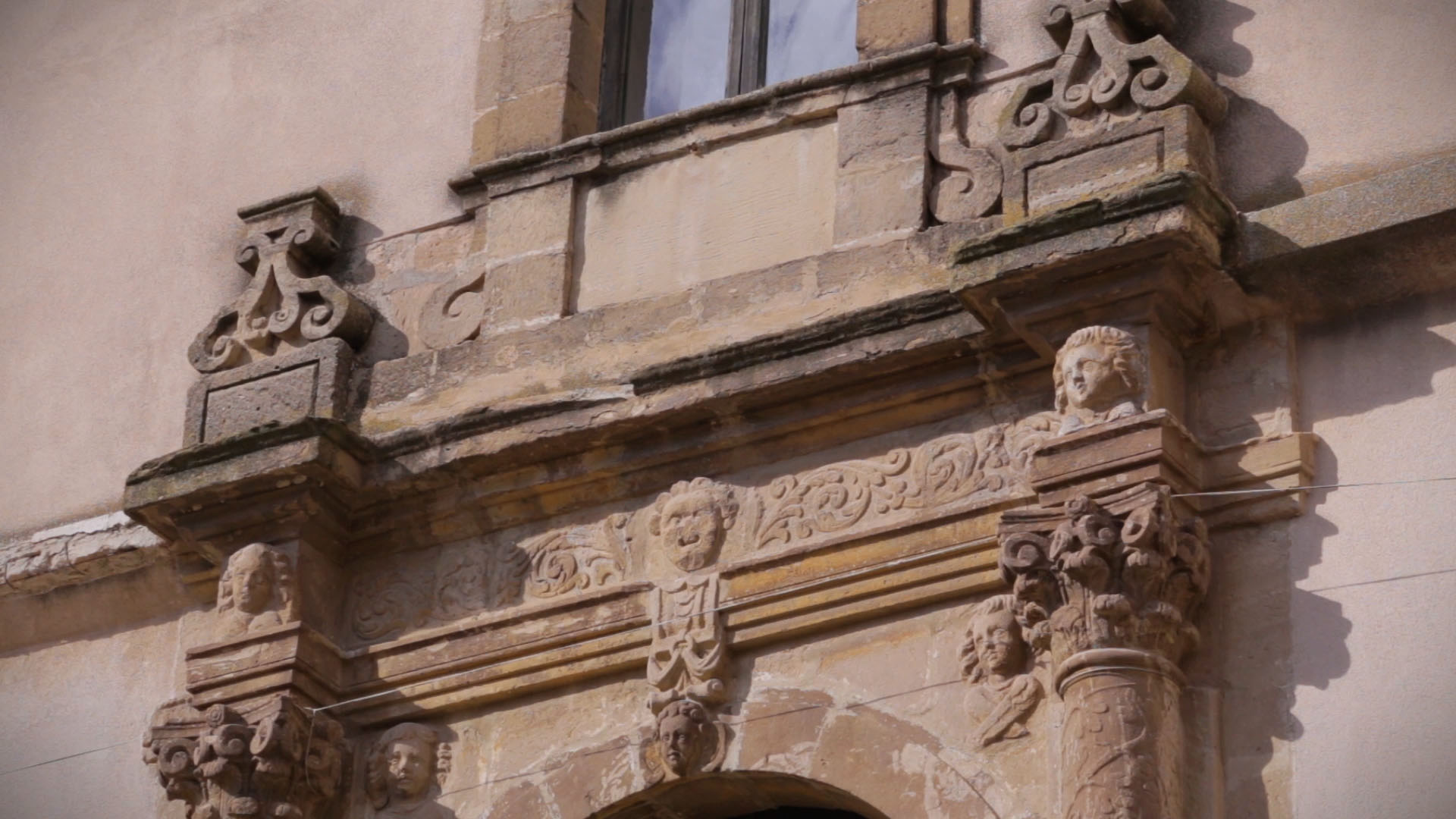
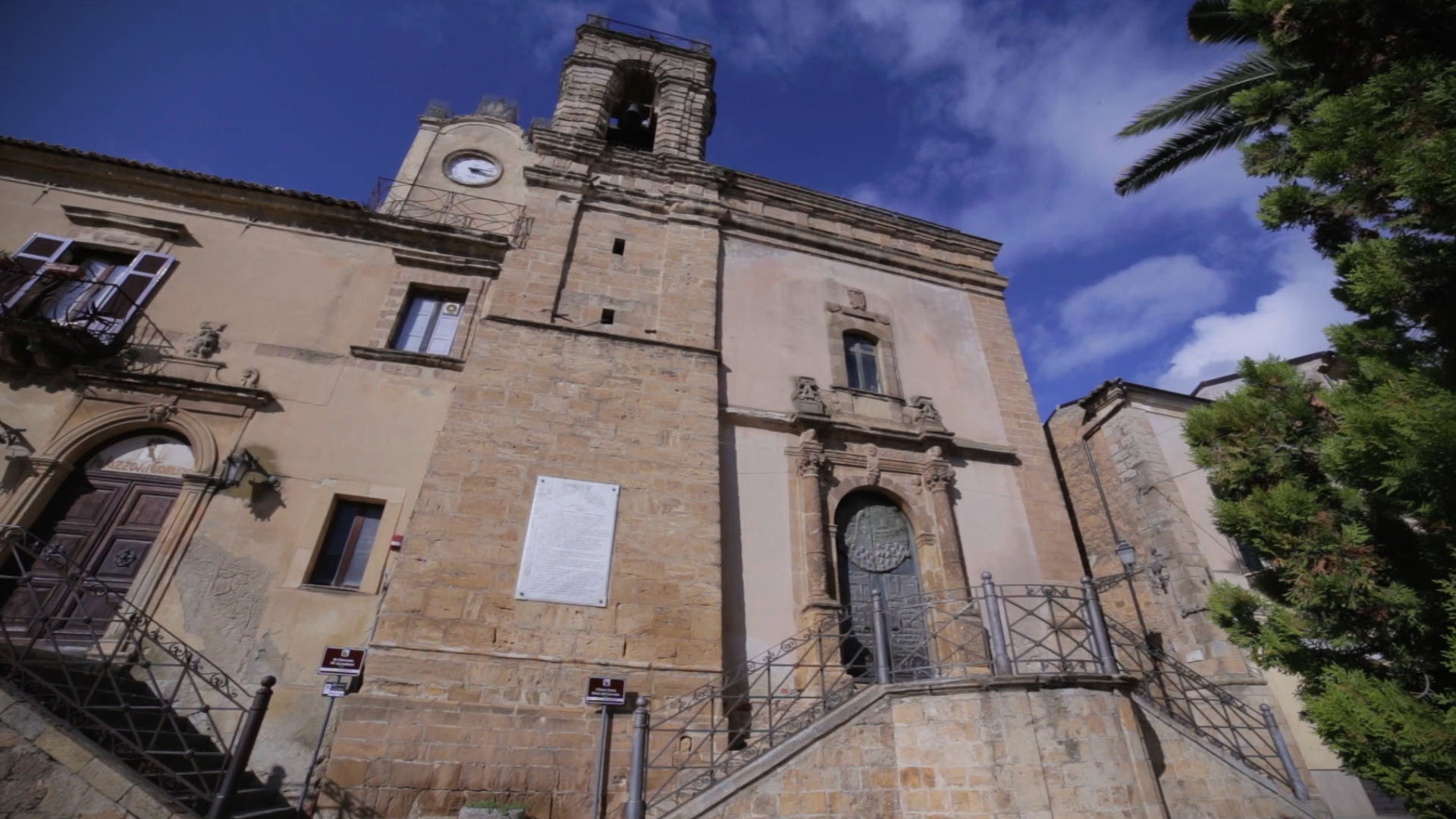
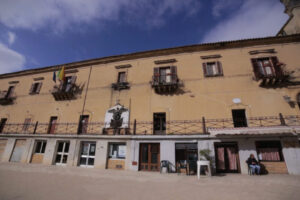
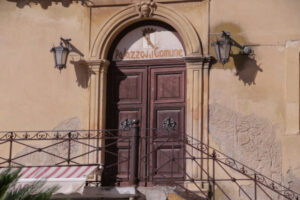
Dating back to before 1471, this convent now transformed into the Town Hall, except for the church was commissioned by Giuseppe Branciforti but completed by the Carmelite prior G. Marco Ferranti around 1673, the church is a Latin cross with slightly baroque ornaments; the main altar is richly decorated with polychrome marbles. Inside is the crypt of the Sarcophagus of Prince Giovanni II Branciforti.
On November 23, 2011 at 11:08 a lightning bolt struck the tip of the dome, damaging the “eye of the cusp” of the church and destroying several cars. The structure has now been protected with careful precautions.
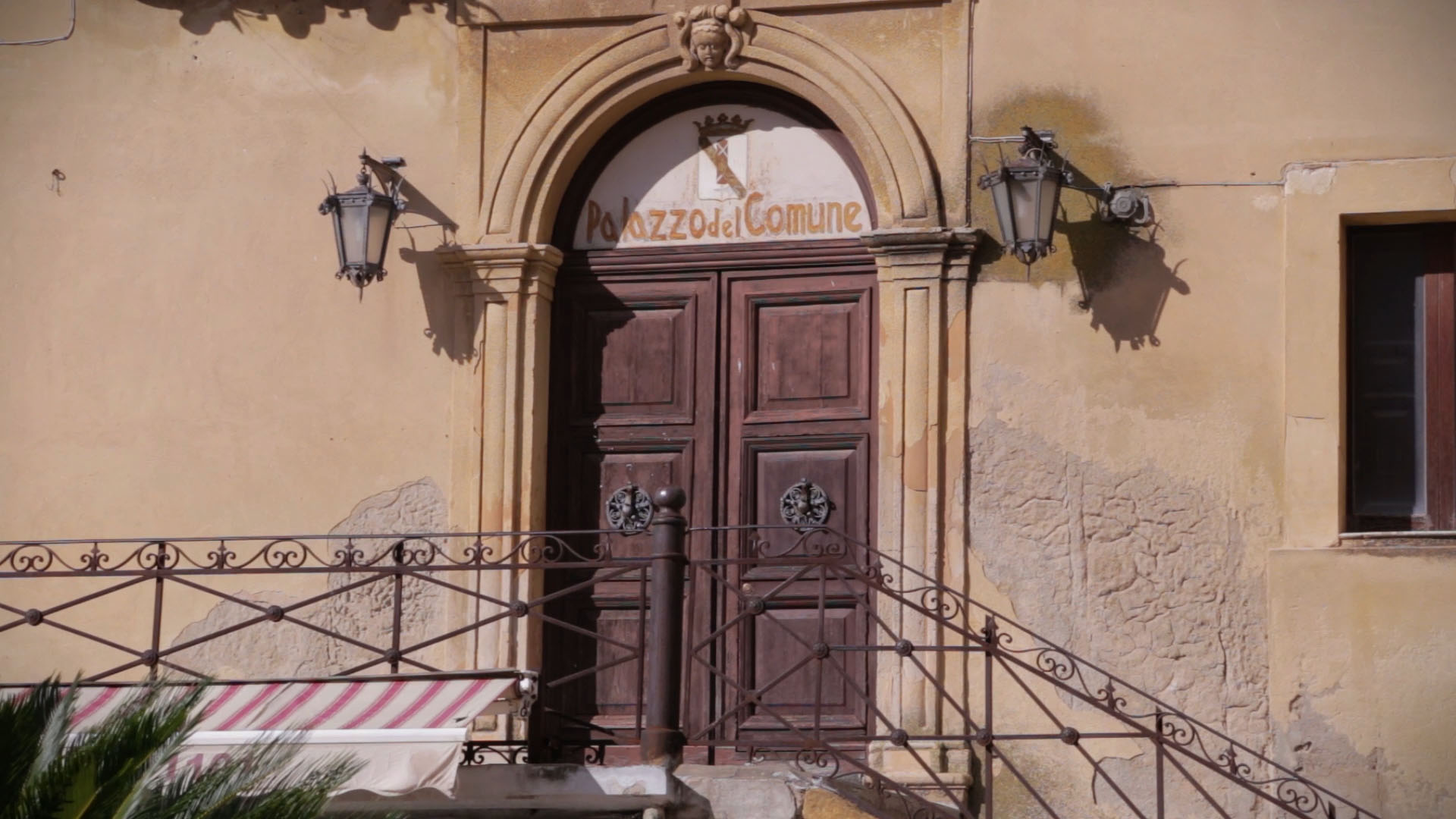
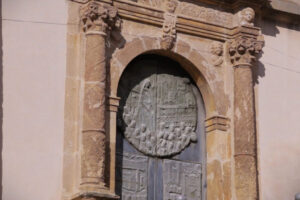
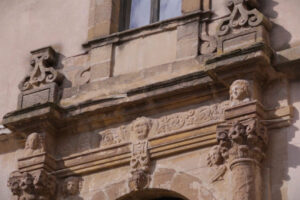
SS. Elm Crucifix
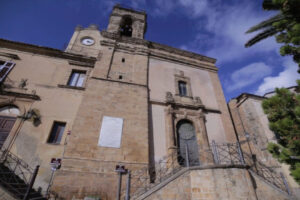
Dating back to the 5th century AD; restored by the Normans between the 10th and 11th centuries and dedicated to the Madonna dell’Itria; destroyed following the earthquake of 1693 and rebuilt by the Marquis Filippo Bivona. It seems that the Crucifix, called the Crucifix of Graces, existed since that time; today the SS. Crucifix is venerated mounted on a very heavy iron coffin that is carried on the shoulders of barefoot and naked men wearing only the white habit of the brotherhood through some streets of the town on the Second Sunday of the month of May.
The name “Lord of the Elm” comes from a legend. It is said, in fact, that in an unspecified period the Crucifix was the object of attention by a group of thieves. One of these stuck a rod of elm wood in front of the church door, but this immediately began to sprout, putting the criminals to flight. In fact, a large Elm was present until the end of the nineteenth century.
Parish of the PP. Capuchins
With an adjoining convent; built around 1120, the Madonna delle Grazie was venerated there and was later dedicated to Saint Francis of Assisi. In 1574, Baron Pietro Rivalora financed and built the convent adjacent to the church.
Immaculate Conception
Built in the fourteenth century, between 1560 and 1575 it was dedicated to the Madonna della Catena, there is a 1606 canvas by Paladini depicting the Immaculate Conception adored by St. Francis, where the painter portrays himself dressed in a Franciscan habit, subscribing with the words: “Philippus Paladini florentinus pingebat, year 1606”.
St. Dominic
Formerly known as Santa Maria del Soccorso. Built in 1480 by the nobleman Antonio Alegambe; it is annexed to the former convent of the Dominican Friars; inside it houses the statue of Maria SS. del Rosario whose feast day falls on the first Sunday of October. It has a single nave.
Santa Maria del Gesu
With an adjoining convent, it has a single nave. Built in 1425 and dedicated to Sant’Ippolito, the convent of Santa Maria del Gesù was built adjacent to the church in 1573, from which the entire complex took its name. Its elevation to a parish occurred in 1943.
Daughters of Mary Help of Christians
Built in 1965, it was enriched from 1983 onwards with polychrome marbles; elliptical in shape, on both sides a painting of Don Bosco and San Domenico Savio and a painting of Mother Mazzarello and Laura Vicuna. On the dome of the church there is a marble statue of Mary Help of Christians. In 1961, in a corner outside the church, the monument of Christ the King was inaugurated.
Santa Maria delle Grazie
Built around the 11th century near ancient Mazzarino, Holy Mass is celebrated there once a year, on July 2. In 1973, the Crucifix and a painting of the Madonna in chalk stone were stolen, the latter dating back to the same period as the construction of the said church, where Greek hieroglyphics were imprinted.